You have been producing bubble film on a 2-layer or 3-layer line for years. It works. But recently, you have noticed competitors offering films with better barrier properties, higher puncture resistance, and longer air retention. Your customers are starting to ask questions you cannot answer.
What has changed? The answer lies in 7-layer co-extrusion technology.
Once reserved for high-end food packaging and pharmaceutical applications, 7-layer co-extrusion is now transforming bubble film production. This guide explains what 7-layer co-extrusion is, why it is gaining popularity across the packaging industry, and whether it makes sense for your operation.
What Is 7-Layer Co-Extrusion and Why Does It Matter?
Co-extrusion is the process of extruding multiple layers of molten plastic simultaneously through a single die to form a multi-layer film. In a 7-layer system, seven distinct material layers are combined into a single film structure, each serving a specific functional purpose.
How 7-Layer Co-Extrusion Works
In a 7-layer co-extrusion line, each layer is fed by its own extruder. The seven melt streams converge in a specialized co-extrusion die, where laminar flow is carefully managed to prevent intermixing while ensuring perfect layer bonding.
| Component |
Function |
Practical Benefit |
| Outer layers (layers 1 & 7) |
Surface finish, printability, anti-static properties |
Visual appeal, branding, ESD protection |
| Middle layers (layers 2–6) |
Barrier, strength, recycled content |
Extended shelf life, cost savings |
| Core layer |
Bulk, cushioning, air retention |
Primary protective function |
The Shift from 2-Layer to 7-Layer
Traditional 2-layer bubble film—a flat backing layer bonded to a formed bubble layer—serves as a cost-effective commodity solution. But as packaging requirements have become more demanding, the limitations of 2-layer construction have become apparent: limited barrier properties, moderate puncture resistance, and gradual air loss over time.
7-layer co-extrusion addresses these limitations by allowing manufacturers to place different materials in different layers—for example, anti-static additives in outer layers, barrier resins in middle layers, and recycled content in core layers.
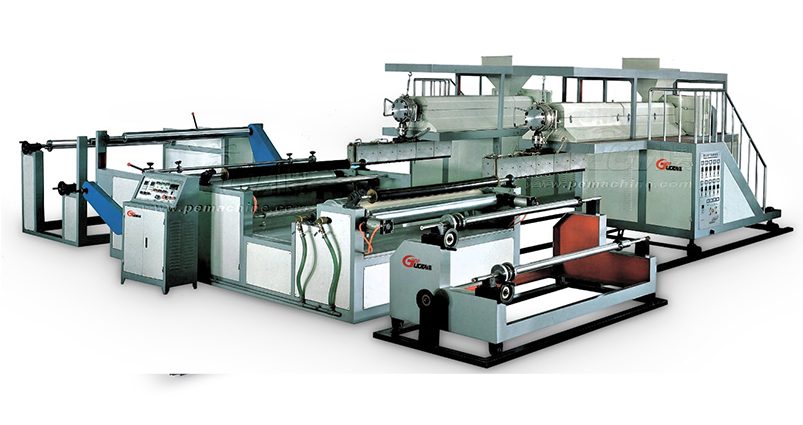
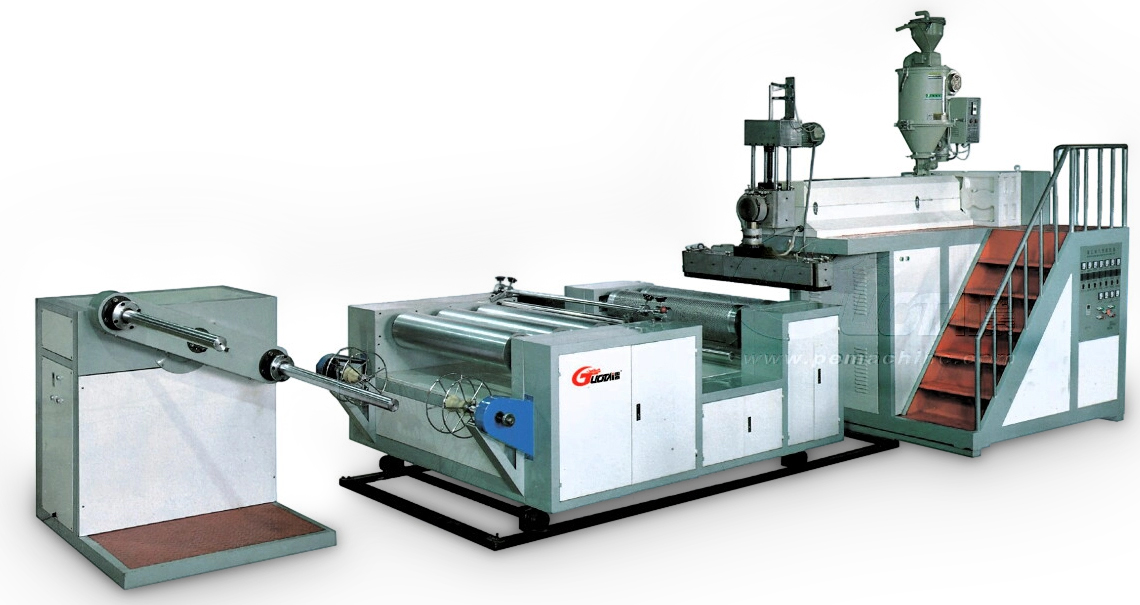
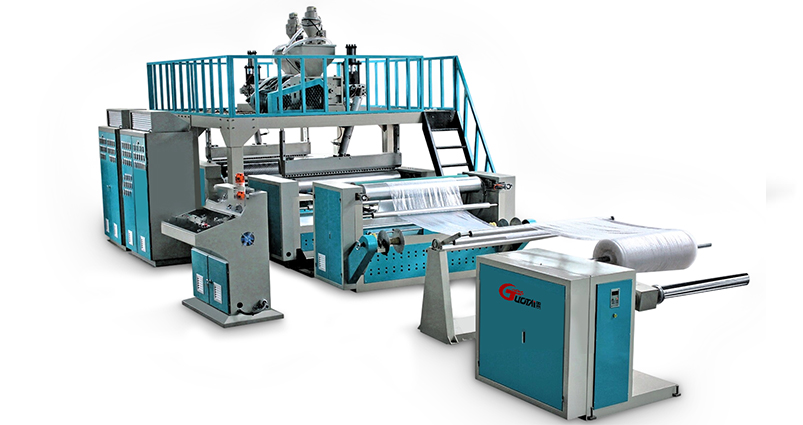
Explore bubble film machines tailored to diverse production requirements.
The Numbers Behind the Trend: Market Growth and Adoption
The shift toward 7-layer co-extrusion is not anecdotal—it is reflected in market data across the packaging industry.
Multi-Layer Film Market Growth
The global multilayer co-extruded film market is experiencing significant growth. According to DIResearch, the market size reached USD 2.83 billion in 2025 and is projected to reach USD 4.10 billion by 2032, with a compound annual growth rate (CAGR) of 5.45%. The Chinese multilayer co-extruded film market has changed particularly rapidly in recent years.
The broader multilayer flexible packaging market is projected to grow from USD 186.97 billion in 2025 to USD 238.52 billion by 2031, sustaining a CAGR of 4.14%.
Barrier Blown Film Line Investments
Manufacturers are investing heavily in multi-layer co-extrusion blown film lines with advanced screw designs, precise layer thickness control, and automated gauge monitoring. The global Barrier Blown Film Line market was valued at USD 2.9 billion in 2024 and is projected to reach USD 5 billion by 2032, at a CAGR of 6.96%.
Recent developments include installations of seven to nine-layer blown film lines with enhanced thickness uniformity and reduced material wastage.
Bubble Film Market Context
The global Bubble Protective Film market is projected to grow from USD 2.68 billion in 2025 to USD 3.26 billion by 2031, at a CAGR of 3.3%. The broader bubble wrap packaging market was valued at USD 6.42 billion in 2024 and is expected to reach USD 8.83 billion by 2033.
Within this growing market, demand for specialized, high-performance bubble films is expanding faster than standard options—driving interest in 7-layer co-extrusion technology.
Performance Advantages Driving 7-Layer Adoption
The popularity of 7-layer co-extrusion is ultimately driven by performance. Here is what the additional layers deliver.
60% Higher Puncture Resistance
By strategically placing barrier resins within the multi-layer architecture, 7-layer film structures achieve up to 60% higher puncture resistance compared to standard 2-layer films. This prevents transit ruptures near sharp edges—a common failure point in standard bubble wrap.
What this means for your operation: Fewer damaged products, fewer returns, and happier customers. For electronics manufacturers shipping populated circuit boards or medical device companies sending sterile instruments, this difference can be critical.
12-Month Air Retention
Superior layer bonding traps air permanently inside bubbles, extending cushioning shelf life to 12 months without deflation. Standard bubble wrap often loses air gradually over time, reducing its protective effectiveness.
What this means for your operation: You can store finished bubble film rolls for longer periods without performance degradation. This reduces waste and improves inventory flexibility.
Thickness Uniformity and Reduced Waste
The integration of high-speed servo drives and real-time thickness gauging systems eliminates weak points and reduces raw material waste by up to 15%. This represents significant cost savings over high-volume production runs.
Superior Barrier Controls
Seven-layer films are becoming popular for their ability to blend strength, flexibility, and superior barrier controls. The multi-material layering approach gives manufacturers the chance to enhance product protection while minimizing environmental stress.
What this means for your operation: You can produce films with specific barrier properties—moisture resistance, oxygen barrier, UV protection—tailored to your customers' products.
ESD Protection for Electronics
For electronics packaging, 7-layer co-extrusion enables "functional zoning": anti-static additives can be injected into outer layers only, creating a stable conductive shield while keeping other layers optimized for strength and cushioning. Utilizing 7-layer high-speed bubble film reduces component failure rates by up to 18% compared to standard wraps.
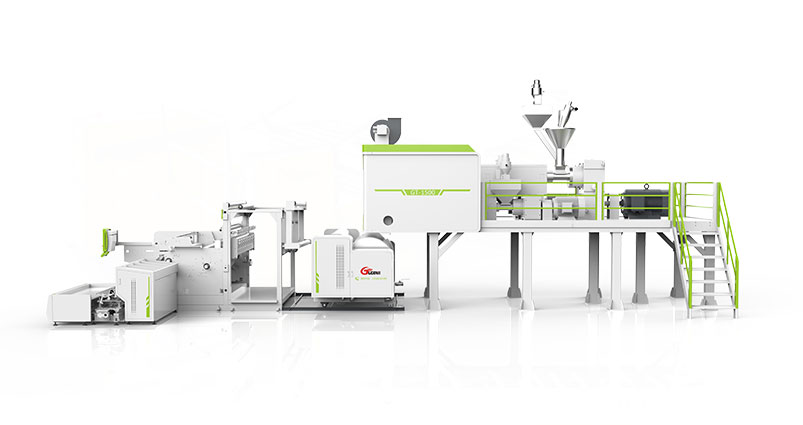
Learn about 7-Layer High Barrier Bubble Film Line configurations for electronics and medical applications.
Sustainability: The Unlikely Driver for 7-Layer Adoption
One of the most surprising drivers of 7-layer co-extrusion adoption is sustainability. More layers might seem less sustainable, but the reality is more nuanced.
Optimized Material Use
Multi-layer co-extrusion allows manufacturers to place recycled content in core layers while keeping outer layers virgin for appearance and performance.This can reduce raw material costs by 20-30% without sacrificing surface quality—and significantly increase recycled content in the final product.
Reducing Virgin Material Demand
Multi-layer co-extrusion systems reduce demand for virgin materials while meeting increasingly strict regulations, making them attractive from both cost and compliance perspectives.
EU Regulatory Pressure
The EU's Packaging and Packaging Waste Regulation (PPWR) came into force on February 11, 2025, with most provisions applying from August 12, 2026.The regulation sets minimum recycled content targets for plastic packaging, with stricter thresholds by 2030 and 2040.
For bubble film producers exporting to the EU, demonstrating recycled content in packaging will soon become a market access requirement. 7-layer co-extrusion enables manufacturers to incorporate recycled material in core layers while maintaining the surface quality and barrier properties required for premium applications.
Multi-Layer Film's Role in Food Preservation
Multi-layer film packaging revolutionized food preservation by combining diverse material layers to optimize barrier properties, mechanical strength, and shelf life.These materials are essential for transporting perishables across various climates. A 2026 study published in Nature Communications notes that the world produced more than 100 million tonnes of multi-layer films in 2018, anticipated to reach 140 million tonnes by 2025.
What this means for your operation: Multi-layer films are not going away—they are becoming more sophisticated. 7-layer co-extrusion positions your production line to meet both performance and sustainability demands.
Step-by-Step: Evaluating Whether 7-Layer Co-Extrusion Is Right for You
Not every operation needs a 7-layer line. Work through these five steps to determine whether 7-layer co-extrusion makes sense for your business.
Step 1: Assess Your Target Markets
| Market Segment |
2-Layer Sufficient? |
7-Layer Recommended? |
| E-commerce/general shipping |
Yes |
Optional |
| Electronics/semiconductors |
No |
Yes (ESD protection) |
| Medical/pharmaceutical |
No |
Yes (barrier, sterility) |
| Food/cold chain |
No |
Yes (barrier, temperature) |
| Construction/insulation |
No |
Yes (strength, lamination) |
| High-volume commodity |
Yes |
No (cost not justified) |
Step 2: Evaluate Your Material Strategy
-
Planning high recycled content? 7-layer allows recycled material in core layers while keeping outer layers virgin for appearance.
-
Need anti-static or barrier properties? 7-layer enables functional additives in specific layers only.
-
Targeting premium markets? 7-layer delivers the performance these markets demand.
Step 3: Consider Production Volume
| Annual Production Volume |
Recommendation |
| Under 500 tons |
2-3 layer likely sufficient |
| 500–2,000 tons |
Evaluate the 5-layer or 7-layer based on the target markets |
| Over 2,000 tons |
7-layer offers economies of scale |
Step 4: Calculate Total Cost of Ownership
| Cost Factor |
2-Layer Line |
7-Layer Line |
| Capital investment |
Lower |
Higher |
| Energy consumption |
Lower |
Higher |
| Raw material flexibility |
Limited |
High |
| Revenue per unit |
Lower |
Higher |
| Market access |
Standard |
Premium and regulated markets |
Step 5: Consider Future Regulatory Requirements
If you export to the EU, the PPWR's recycled content requirements will affect your packaging—and your customers will increasingly demand compliance documentation.7-layer co-extrusion gives you the flexibility to incorporate recycled content without compromising film quality.
Real-World Applications Driving 7-Layer Demand
Electronics and Semiconductors
Electronic components are uniquely vulnerable to electrostatic discharge (ESD) and physical impact. The 7-layer architecture allows for functional zoning: anti-static additives in outer layers create a stable conductive shield, while inner layers provide cushioning and strength. This reduces component failure rates by up to 18% compared to standard wraps.
Medical and Pharmaceutical Packaging
Multi-layer co-extruded films must showcase precise barrier behavior to protect sensitive formulations, addressing critical aspects such as moisture and oxygen resistance.With the global pharmaceutical packaging market projected to exceed $120 billion by 2025, multi-layer films are becoming the material of choice for blister packs and medical device packaging.
Food and Cold Chain
Multi-layer films are essential in food packaging, with barrier properties vital for preserving freshness and quality.7-layer co-extrusion enables precise control over oxygen and moisture barriers, extending shelf life and reducing food waste.
Construction and Insulation
Heavy-duty laminated bubble foil—produced on multi-layer lines—is used as roof and wall insulation material, reflecting up to 97% of radiant heat. The 7-layer configuration delivers maximum air retention and impact resistance for demanding applications.
Next Steps: From Understanding to Decision
The popularity of 7-layer co-extrusion is not a passing trend. It reflects fundamental shifts in the packaging industry: demand for higher performance, pressure for sustainability, and the need to serve increasingly sophisticated end markets.
7-layer co-extrusion makes sense if:
-
You are targeting electronics, medical, food, or construction markets
-
You need anti-static properties, barrier performance, or specialty film properties
-
You want maximum material flexibility and the ability to use recycled content in core layers
-
You are willing to invest more for access to premium-priced, higher-margin applications
2-layer or 3-layer may still be sufficient if:
-
Your primary markets are e-commerce and general protective packaging
-
Cost efficiency and rapid ROI are your top priorities
-
You do not require anti-static, high-barrier, or specialty film properties
The multilayer co-extruded film market shows no signs of slowing down.As businesses adapt to meet evolving consumer expectations and regulatory requirements, the significance of multi-layer films will only increase.
Once you have clarified your target markets, material requirements, and production volume, comparing the specific specifications of available machine configurations becomes the next logical step. You can review 2-layer and 3-layer configurations for high-volume standard production, or explore 7-layer high-barrier lines for specialized, premium applications.
Learn how different blown film machine models handle a wide range of layer configurations.
Related Reading
-
2-Layer or 7-Layer Bubble Wrap Extrusion Line?
-
Recycled Material Compatible Bubble Machine?
-
Laminated vs Non-Laminated Bubble Wrap
-
Anti-Static Bubble Film for Electronics
-
Understanding Multi-Layer Co-Extrusion Technology


 English
 Français
 Español