You have just finished assembling a batch of printed circuit boards. Each board represents hours of labor and hundreds of dollars in components. You wrap them in standard bubble film, seal the box, and ship them to your customer.
When the box arrives, the boards do not work. The cause? Electrostatic discharge (ESD)—a silent, invisible event that destroys sensitive microcircuits during transit.
This scenario plays out daily across the electronics industry. Static electricity, generated by simple friction during shipping, can damage or destroy electronic components without leaving any visible mark. This guide explains what anti-static bubble film is, when electronics shipping actually requires it, and how to build an ESD-safe packaging strategy that protects your products and your reputation.
What Is Anti-Static Bubble Film and How Does It Work?
Standard bubble film is an excellent insulator, which is precisely the problem for electronics packaging. Insulating materials allow static charges to build up and remain on surfaces. When a charged bubble wrap touches an electronic component, the sudden discharge can fry sensitive circuits.
Anti-static bubble film solves this problem through material engineering rather than simple coatings.
How Anti-Static Bubble Film Works
| Layer / Feature |
How It Works |
Benefit for Electronics |
| Anti-static additive |
Dissipates static charge slowly and controllably |
Prevents sudden discharge to components |
| Polyethylene base material |
Maintains physical cushioning properties |
Protects against impacts and vibration |
| Surface resistivity control |
Engineered to 10⁹–10¹¹ ohms/sq (static-dissipative range) |
Safe for direct component contact |
| Moisture resistance |
Does not absorb ambient humidity |
Consistent performance across climates |
The technical distinction matters. Anti-static bubble film is static-dissipative, not conductive. It allows static charges to flow to ground slowly enough to prevent damaging discharge. Pink poly bubble film (commonly used in electronics packaging) falls into this category. Standard clear bubble film offers no static protection and should never contact sensitive components.
Why this matters for your electronics shipments: Using the wrong bubble film creates a false sense of security. The packaging looks similar, but the electrical behavior is completely different. A single static discharge event can destroy components worth thousands of dollars—damage that may not be detected until the final product fails in the customer’s hands.
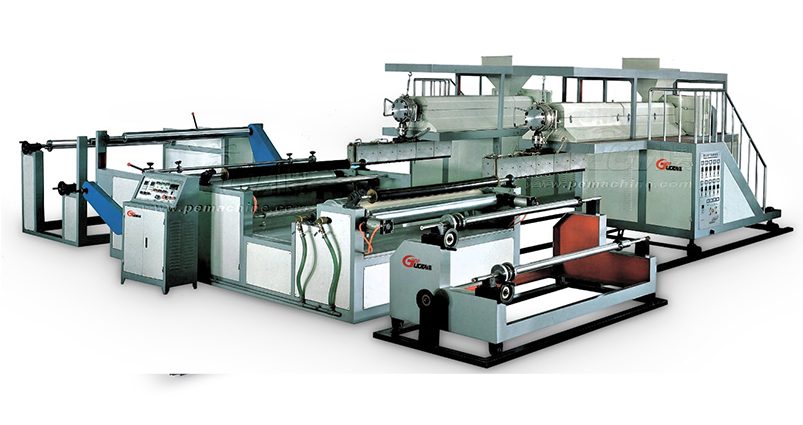
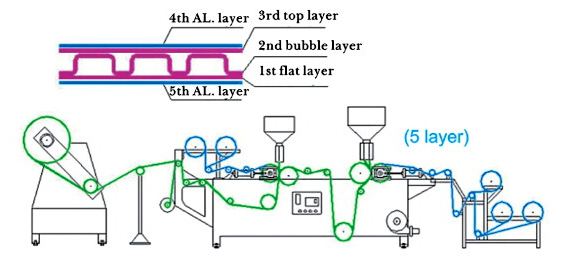
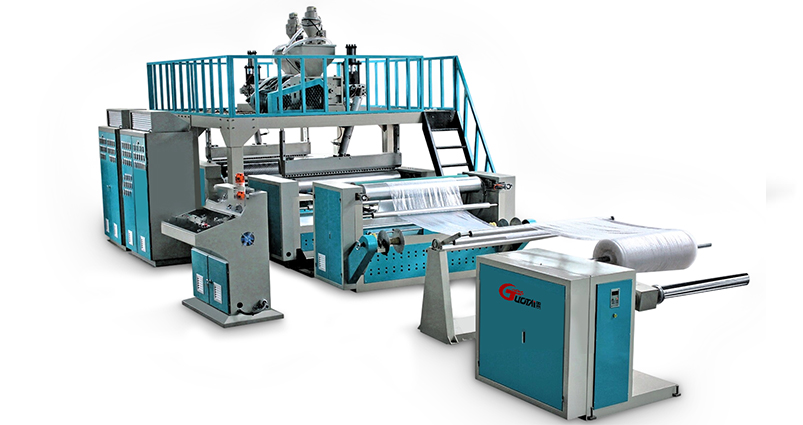
Learn about multi-layer bubble film machine configurations for different protection requirements.
When Does Electronics Shipping Actually Require Anti-Static Protection?
Not every electronics shipment needs anti-static packaging. Understanding the distinction between static-sensitive and non-sensitive components helps you avoid unnecessary costs.
Components That Require Anti-Static Protection
The following component categories are known to be static-sensitive and should always be packaged in static-dissipative or conductive materials:
-
Integrated circuits (ICs) and microprocessors: Extreme sensitivity. Damage thresholds as low as 100 volts. A human walking across a carpet generates 10 times that.
-
MOSFETs and CMOS devices: Gate oxides can be punctured by ESD events below 50 volts.
-
LEDs and laser diodes: Optical surfaces and junctions are vulnerable to static damage.
-
Bare circuit boards without protective coatings: Exposed traces and components have no additional barriers.
-
Hard drives and solid-state drives: Internal electronics are vulnerable despite external casings.
Components That May Not Require Anti-Static Protection
-
Passive components (resistors, capacitors, inductors): Generally robust, though extremely small surface-mount versions can be vulnerable.
-
Assembled products in grounded metal enclosures: The enclosure provides shielding.
-
Cables and connectors without active electronics: Passive wiring is not static-sensitive.
The Real Risk: Invisible Damage
The danger of ESD is not just that it destroys components. The greater risk is latent damage. A component can be weakened by an ESD event but still pass functional testing. It fails weeks or months later in the customer’s hands. Latent damage rates are difficult to measure but represent a significant quality risk for electronics manufacturers.
According to the ESD Association, the cost of ESD-damaged electronics globally runs into the billions of dollars annually, with much of that damage occurring during handling and shipping—not in manufacturing.
Anti-Static Bubble Film vs Other ESD Packaging Options
Anti-static bubble film is one of several static-safe packaging materials. Each serves different purposes in an ESD control program.
Comparison of Common ESD Packaging Materials
| Material |
Surface Resistivity (ohms/sq) |
Best Use Case |
Limitation |
| Anti-static bubble film |
10⁹ – 10¹¹ (static-dissipative) |
Cushioned protection for sensitive components |
Requires intact bubbles for cushioning |
| Pink anti-static poly bags |
10⁹ – 10¹¹ |
Low-cost static-safe containment |
No cushioning; bags only |
| Black conductive bags/foam |
10³ – 10⁶ (conductive) |
Faraday cage effect for highly sensitive devices |
Cannot touch circuits directly |
| Anti-static foam (charcoal) |
10⁹ – 10¹¹ |
Component storage and shipping |
Bulkier and heavier than bubble film |
| Metalized shielding bags |
<10³ (conductive) |
EMI + ESD protection for RF-sensitive devices |
More expensive; opaque |
When to Choose Anti-Static Bubble Film
Anti-static bubble film is the right choice when you need cushioning plus static protection. Typical applications include:
-
Shipping populated circuit boards between facilities
-
Packaging replacement components for field service locations
-
Protecting assembled electronic modules in transit
-
Wrapping delicate instruments with internal electronics
When Other Materials Make More Sense
-
Bare die or wafer shipping: Use conductive foam or gel packs, not bubble film
-
High-volume passive component storage: Pink poly bags without cushioning reduce cost
-
Radio-frequency sensitive devices: Metalized shielding bags provide both ESD and EMI protection
How to Select the Right Anti-Static Bubble Film for Your Application
Working through these five steps ensures you match the packaging to your actual risk profile—neither over-protecting (wasting money) nor under-protecting (risking product loss).
Step 1: Identify Your Component Sensitivity Level
| Sensitivity Level |
Typical Components |
Required Protection |
| Low (HBM > 2000V)* |
Passive components, connectors |
Anti-static packaging recommended |
| Medium (HBM 500–2000V) |
Many ICs, transistors |
Anti-static packaging required |
| High (HBM < 500V) |
MOSFETs, CMOS, sensitive RF |
Anti-static + Faraday cage recommended |
*HBM = Human Body Model ESD sensitivity rating
Step 2: Determine the Right Bubble Size and Thickness
Larger bubble diameters (12-30mm) provide better cushioning for heavier components. Smaller bubbles (6-10mm) work well for lightweight boards where surface protection is the primary need. Thicker films (multi-layer construction) resist puncturing from sharp component leads or solder joints.
Step 3: Verify Static-Decay Performance
Request static-decay test data from your supplier. A 2023 technical bulletin from the ESD Association notes that static-dissipative materials should dissipate a 5000-volt charge to 0 volts within 2 seconds. Ask for test reports, not just claims.
Step 4: Consider Environmental Conditions
Anti-static performance can degrade in very dry conditions. If you ship to arid climates or during winter months, confirm your bubble film maintains static-dissipative properties below 20% relative humidity. High-quality anti-static additives work across the full humidity range. Lower-quality products may fail when conditions become dry.
Step 5: Test Your Actual Workflow
Implement a simple test: pack a sample of your most sensitive component using the proposed anti-static bubble film. Ship it through your actual carrier network. Unpack and test the component. Better yet, send it to a third party for ESD sensitivity verification. The test costs little compared to a field failure.
Real-World Application Scenarios for Anti-Static Bubble Film
Scenario 1: Contract Electronics Manufacturer Shipping PCBs
A contract manufacturer produces 5,000 populated PCBs weekly for an industrial control customer. Boards contain multiple microprocessors and CMOS ICs. Previously, they used standard bubble film and experienced a 3% field failure rate traced to latent ESD damage. Switching to anti-static bubble film reduced the failure rate to below 0.5%. Annual savings in warranty claims and customer goodwill exceeded $200,000.
Key decision factors for this scenario:
-
Medium-volume, high-value components
-
Long-distance ground shipping (3-5 days)
-
Field failures unacceptable for industrial safety applications
Scenario 2: E-commerce Electronics Reseller
An online retailer sells replacement laptop batteries, hard drives, and memory modules. Most components arrive from suppliers in anti-static bags but are repackaged for individual customer shipments. They adopted anti-static bubble film for wrapping all internal electronics before placing them in standard shipping boxes.
Key decision factors for this scenario:
-
High-volume, moderate-value components
-
Customer self-installation means no professional testing after delivery
-
Returns from static damage are expensive to process and test
Common Misconceptions About Anti-Static Bubble Film
Misconception 1: “Pink Means Anti-Static”
False. Pink poly materials often contain anti-static additives, but color alone does not guarantee performance. Some manufacturers use pink dye for brand recognition only. Always request test data.
Misconception 2: “Anti-Static and Conductive Are the Same”
They are different. Conductive materials (like black carbon-loaded foam) allow rapid charge flow and can actually discharge into a component if they touch sensitive leads. Anti-static bubble film is static-dissipative—slow enough to be safe for direct contact.
Misconception 3: “Anti-Static Protection Never Wears Out”
Anti-static additives can migrate or degrade over time, especially in high temperatures or UV exposure. Rotate inventory and test aged material periodically.
Misconception 4: “Any Bubble Film Works If You Use a Grounding Wrist Strap”
Grounding wrist straps protect the assembler, not the shipped product. Once the package leaves your facility, the bubble film is the only protection your components have. The packaging itself must be static-safe.
Regulatory and Industry Standards for ESD Packaging
Electronics shipping is not heavily regulated by government agencies, but industry standards provide clear benchmarks.
Key Standards to Know
-
ANSI/ESD S20.20: The main ESD control program standard. Defines packaging requirements for static-sensitive items.
-
IEC 61340-5-1: International equivalent to ANSI/ESD S20.20.
-
MIL-PRF-81705: U.S. military specification for barrier materials, including static-protective films.
Compliance Documentation to Request
When sourcing anti-static bubble film for electronics customers who require certified ESD control, request:
-
Surface resistivity test reports (per ANSI/ESD STM11.11)
-
Static-decay time test reports (per Federal Test Standard 101C, Method 4046)
-
Material certification showing additive type and loading level
The ESD Association maintains the definitive library of ESD testing standards and publishes regular technical updates on packaging material performance.
Next Steps: From Guide to Material Selection
You now understand what anti-static bubble film is, when it is required, how it compares to other ESD packaging options, and how to select the right configuration for your specific components. The decision comes down to three factors: component sensitivity, shipment distance and handling conditions, and the cost of field failures versus the incremental cost of anti-static protection.
For most electronics manufacturers and distributors, the case for anti-static bubble film is clear. The added cost is small—pennies per square foot compared to standard bubble film. The cost of a single latent failure reaching an end customer can wipe out the savings from years of using the wrong material.
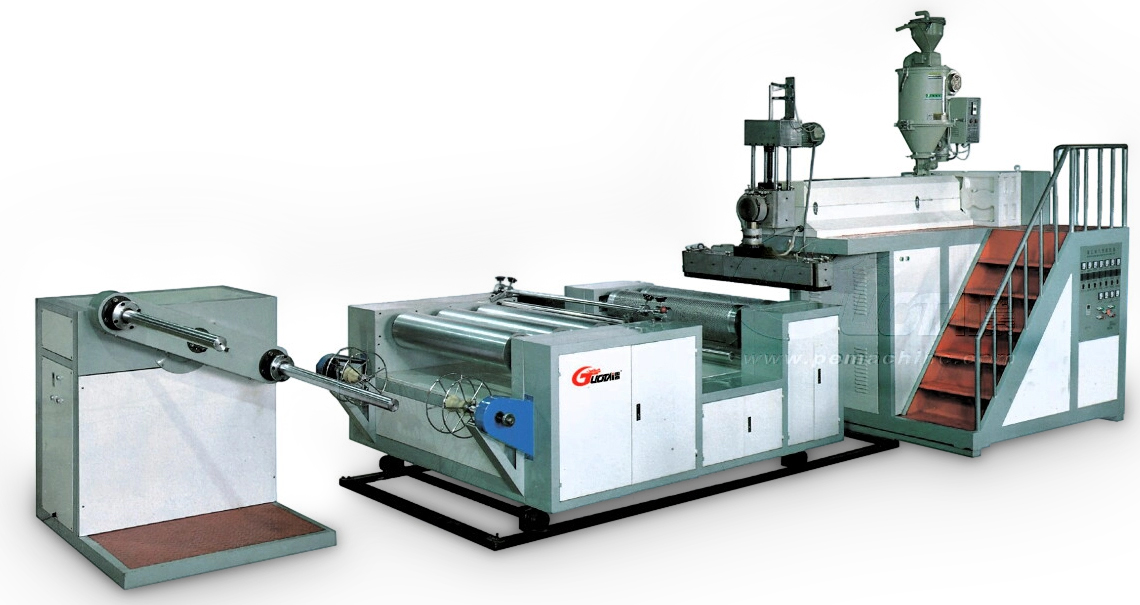
Once you have identified your component sensitivity levels and typical shipping profiles, comparing specific material specifications becomes the next logical step. You can review high-performance anti-static bubble film configurations for sensitive electronics, or explore blown film systems for producing custom ESD-protective packaging in-house.
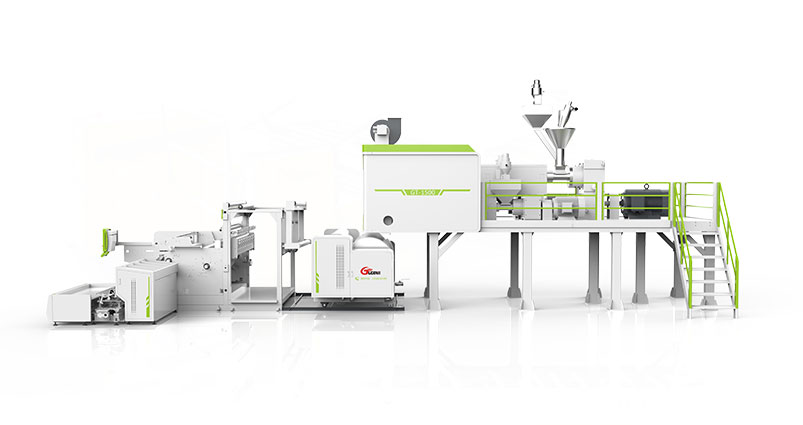
Learn how 7-Layer High Barrier Bubble Film Line accommodates anti-static additive integration for electronics-grade materials.
Related Reading
-
Anti-Static Additives in Polyethylene Films: Technical Overview
-
ESD Control in Electronics Manufacturing and Logistics
-
Bubble Wrap vs Foam Packaging for Electronics Shipping
-
Understanding ANSI/ESD S20.20 for Packaging Suppliers
-
Latent ESD Failure: The Hidden Cost of Inadequate Packaging



 English
 Français
 Español