You are packing a shipment of frozen seafood destined for a customer three states away. The box will sit on a loading dock in July heat. It will bounce through sorting facilities. And it might end up on a doorstep for hours before someone brings it inside.
Which packaging material gives that seafood the best chance of arriving frozen solid?
This is not a simple question. Foam coolers have been the traditional choice for temperature-sensitive food shipping. Bubble wrap—particularly bubble foil insulation—has emerged as a lighter, more flexible alternative. This guide compares both options across the dimensions that actually matter: thermal protection, durability, cost efficiency, and regulatory compliance for food contact.
Why Traditional Foam Became the Default for Food Shipping
Expanded polystyrene (EPS) foam—think of the white coolers used for seafood shipments or prescription deliveries—dominated temperature-controlled logistics for decades. The reasons are straightforward.
The Case for Foam
Foam coolers work because they trap large volumes of air within a rigid structure. Air is an excellent insulator when it cannot circulate, and foam prevents airflow effectively. A typical 1-inch thick EPS cooler provides an R-value (thermal resistance measurement) of approximately 4 to 5 per inch—meaning it slows heat transfer significantly.
Where foam excels:
-
Predictable performance: Foam coolers with gel packs can maintain frozen temperatures for 48-72 hours under ideal conditions.
-
Structural rigidity: Foam resists crushing during stacking, protecting fragile items like glass bottles or delicate pastries.
-
Widely understood: Logistics teams know how to pack, stack, and ship foam containers.
Where foam creates problems:
-
Bulk and weight: A foam cooler large enough for a meal kit can weigh 1-2 pounds empty, increasing shipping costs.
-
Storage inefficiency: Foam coolers do not collapse. Storing hundreds of them consumes warehouse space.
-
Disposal challenges: Many municipalities do not accept EPS foam in recycling programs. It breaks into small pieces that persist in the environment.
According to data from the Environmental Protection Agency, EPS foam containers accounted for a significant portion of packaging waste by volume, yet recycling rates remain below 5% in most regions. This mismatch between usage and disposal capability has pushed food shippers to seek alternatives.
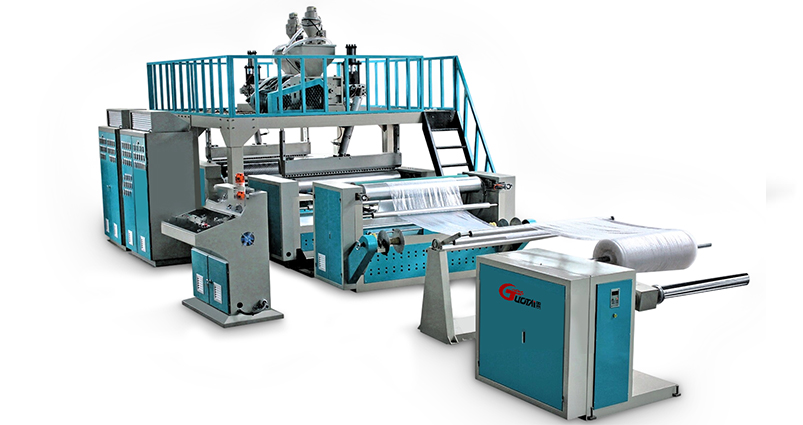
How Bubble Wrap—Especially Bubble Foil—Changes the Equation
Bubble wrap for food shipping is not the same material used for protecting electronics inside a cardboard box. When we discuss bubble wrap for temperature-sensitive food logistics, we are primarily discussing bubble foil insulation—a composite material that combines aluminum foil layers with polyethylene air bubbles.
How Bubble Foil Works
Bubble foil insulation achieves thermal protection through two mechanisms working together:
| Mechanism |
How It Works |
Benefit for Food Shipping |
| Radiant heat reflection |
Aluminum foil reflects up to 97% of radiant heat |
Keeps external summer heat away from chilled contents |
| Air bubble layer |
Trapped air creates thermal break |
Slows conductive heat transfer |
| Thin profile |
Typically 3-10mm thick |
Reduces storage space and shipping weight |
Where bubble foil excels:
-
Lightweight: A bubble foil liner weighs ounces, not pounds—directly reducing dimensional weight shipping charges.
-
Collapsible: Foil liners fold flat when not in use, freeing warehouse storage space.
-
Waterproof: Aluminum foil does not absorb moisture, unlike foam which can harbor condensation.
-
Printable exterior: The foil surface accepts branding and temperature handling instructions.
Where bubble foil requires care:
-
Puncture risk: Sharp objects can penetrate the bubble layer, though multi-layer construction reduces this risk.
-
Seam integrity: Heat-sealed edges must be properly formed to maintain thermal performance.
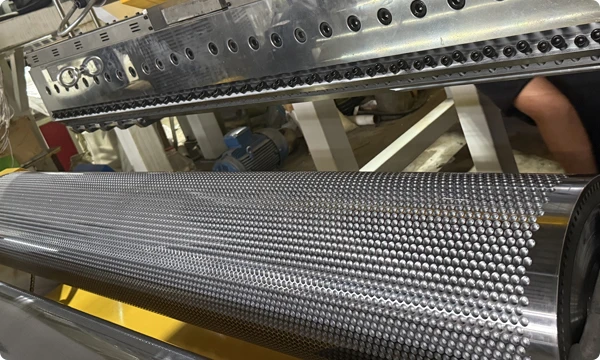
Explore 3-5 Layer Laminated Bubble Film Machine designed for extended cold chain shipping.
Head-to-Head Comparison: Bubble Foil vs. Foam for Food Shipping
This comparison focuses on three to five day shipping windows—the typical range for meal kits, direct-to-consumer seafood, and specialty food distributors.
Thermal Performance
| Test Condition |
EPS Foam Cooler (1.5" wall) |
Bubble Foil Liner (double-bubble, AL/bubble/AL) |
| Frozen food (0°F target) with gel packs |
48-72 hours |
24-48 hours |
| Refrigerated (38°F target) with ice packs |
36-60 hours |
24-48 hours |
| Ambient temperature protection (cooling only) |
Excellent |
Very good |
| Performance in extreme heat (95°F+) |
Good |
Good (reflective layer helps) |
| Performance in freezing conditions |
Good (foam becomes brittle below -20°F) |
Good (bubbles maintain flexibility) |
Verdict: Foam still wins for maximum duration. But for 24-48 hour shipping windows—which covers the majority of domestic food e-commerce—bubble foil performs competitively.
Weight and Shipping Cost Impact
A standard meal kit box (12" x 10" x 8") illustrates the difference:
-
EPS foam cooler (1.5" walls): Empty weight approximately 1.2 pounds. Adds 1.50−1.50−3.00 to dimensional weight shipping charges for typical ground carriers.
-
Bubble foil liner (double-bubble): Empty weight approximately 0.2 pounds. Adds minimal dimensional weight impact. Stores flat at 1/20th the volume of a foam cooler.
Annual impact example: A business shipping 10,000 orders per year could save 10,000−10,000−20,000 in freight costs by switching from foam coolers to bubble foil liners—before accounting for storage savings.
Durability and Real-World Performance
Foam protects against crushing better than single-layer bubble wrap. However, double-bubble and multi-layer bubble foil with thicker bubble diameters (up to 30mm) provide meaningful cushioning. For shipments that are already inside a corrugated cardboard box, the incremental crush protection of foam over bubble foil is often minimal—the cardboard outer box bears most of the compressive load.
Puncture risk comparison: Sharp frozen items like crab legs or baguettes can puncture either material. Foam crumbles when punctured, creating debris that can contaminate food. Bubble foil punctures locally but generally does not disintegrate.
Food Safety and Regulatory Considerations
Food contact compliance separates professional packaging from general-purpose materials. Both foam and bubble foil can be manufactured to food-safe standards—but not all products on the market meet these requirements.
Foam Considerations
Food-grade EPS foam must be manufactured without certain plasticizers and additives that could migrate into food. Reputable suppliers certify their foam as FDA-compliant for food contact. However, foam's porous surface can trap moisture and bacteria if reused, which is why foam coolers are generally single-use for food shipping.
Bubble Foil Considerations
Polyethylene bubble film, when produced with food-grade resins and without prohibited additives, meets FDA and EU food contact requirements. The aluminum foil layer must also be produced with food-safe coatings.
Key compliance documents to request from any supplier:
-
FDA food contact test reports (for US shipments)
-
REACH/SVHC declarations (for EU shipments)
-
Material composition certificates showing PE purity
According to the European Food Safety Authority, packaging materials used in temperature-controlled supply chains must maintain structural integrity across the entire expected temperature range—from freezing to ambient. Both foam and bubble foil can meet this standard when properly manufactured.
The Sustainability Question
Neither foam nor bubble foil is inherently "green." But the sustainability conversation has shifted from material composition alone to include transport emissions and recyclability.
Foam's Challenge
EPS foam is technically recyclable, but collection infrastructure is limited. Many food shippers use foam once and send it to landfill. The volume-to-weight ratio means foam occupies disproportionate landfill space. Some states and municipalities have restricted EPS foam food containers.
Bubble Foil's Position
Bubble foil presents a different challenge. It is a multi-material composite (polyethylene and aluminum), which complicates recycling. However, its lightweight nature reduces transport emissions compared to foam. And because bubble foil liners fold flat, they occupy less landfill volume.
Emerging solutions: Some bubble foil manufacturers now produce mono-material PE bubble foil without aluminum, sacrificing some thermal performance for improved recyclability. Others have launched take-back programs for industrial users.
For businesses prioritizing sustainability, the calculation often favors bubble foil: lower transport emissions from lighter shipments, reduced storage energy, and compatibility with emerging PE recycling streams.
Decision Framework: Which Should You Choose?
Work through these five questions to determine the right packaging for your specific food shipping operation.
Step 1: What is your required temperature hold time?
-
48+ hours required: Foam is likely your safer choice, especially for frozen goods.
-
24-48 hours acceptable: Bubble foil performs competitively and saves weight.
-
Under 24 hours: Bubble foil is usually sufficient and more cost-effective.
Step 2: What are you shipping?
| Product Type |
Recommended Primary Packaging |
Why |
| Frozen seafood (sharp edges) |
Bubble foil + puncture-resistant inner bag |
Foam crumbles when punctured |
| Glass bottles (wine, oil) |
Foam (for crush protection) |
Rigid foam supports bottle necks |
| Meal kits (mixed contents) |
Bubble foil liner in sturdy cardboard |
Weight savings + good thermal performance |
| Pastries / delicate baked goods |
Foam (for shape protection) |
Prevents crushing during stacking |
| Pharmaceuticals (high value) |
Foam (maximum duration) |
Risk tolerance is extremely low |
Step 3: What are your annual shipping volumes?
-
Under 5,000 orders/year: Either works. Test both.
-
5,000-50,000 orders/year: Weight and storage savings from bubble foil become meaningful.
-
Over 50,000 orders/year: Run a pilot comparing total landed cost—including freight, storage, and disposal.
Step 4: Does your customer base care about packaging sustainability?
Direct-to-consumer food brands increasingly hear from customers about packaging waste. Bubble foil folds flat for home recycling (depending on local programs) and generates less visible waste volume than foam coolers, which many customers dislike receiving.
Step 5: What does your carrier charge for dimensional weight?
If your carrier uses dimensional weight pricing (all major carriers do), the bulky nature of foam coolers increases shipping costs disproportionately. Bubble foil's thin profile means the outer cardboard box determines dimensional weight—not the insulation inside. This alone can justify switching.
Real-World Scenario: A Meal Kit Operator's Decision
Consider a meal kit company shipping 20,000 boxes monthly. Each box contains ingredients for four dinners, requires 24-36 hours of temperature protection, and travels via ground carrier.
Foam approach: Foam cooler inside cardboard box. Empty foam weight: 1.2 lbs per shipment. Storage space for foam inventory: 5,000 cubic feet. Monthly freight cost impact (dimensional weight): approximately $45,000.
Bubble foil approach: Double-bubble foil liner inside same cardboard box. Empty liner weight: 0.2 lbs per shipment. Storage space for folded liners: 500 cubic feet. Monthly freight cost impact: approximately $32,000.
Annual savings from bubble foil: $156,000 in freight plus warehouse space reduction. Thermal performance meets the 36-hour requirement. The operator switches.
Next Steps: From Comparison to Selection
Neither bubble foil nor foam is universally "better." The right choice depends on your specific temperature hold requirements, product fragility, shipping volumes, and carrier pricing structure.
For shipments requiring 48+ hours of frozen temperature protection with minimal risk tolerance, foam remains the benchmark. For the majority of food e-commerce—meal kits, fresh ingredients, chocolates, coffee, and many frozen products with 24-48 hour transit—bubble foil offers compelling advantages in weight, storage, and freight cost, with thermal performance that meets real-world requirements.
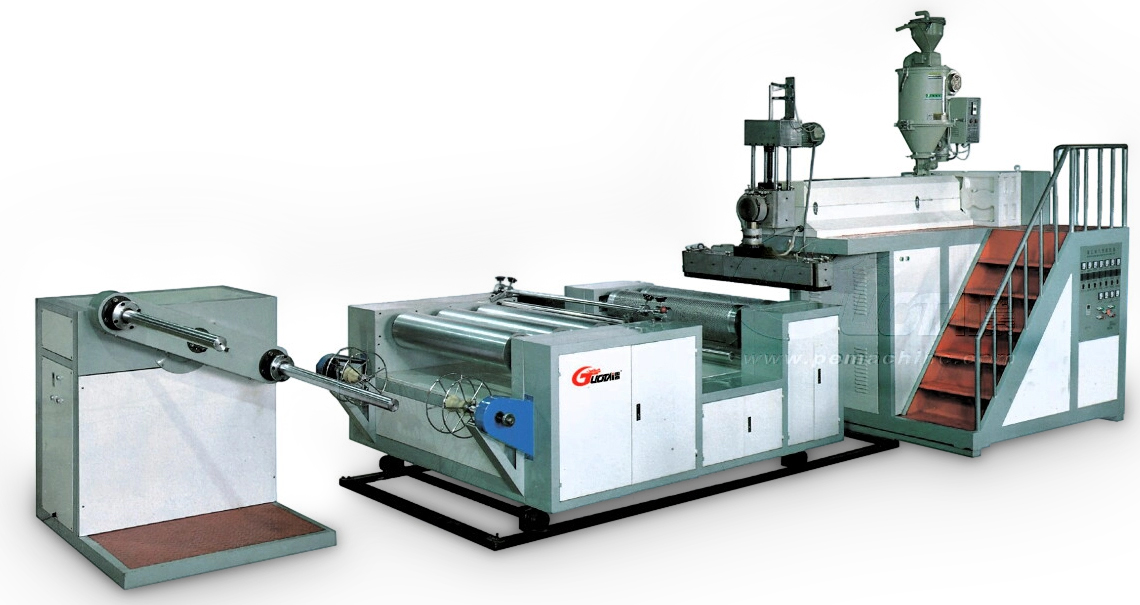
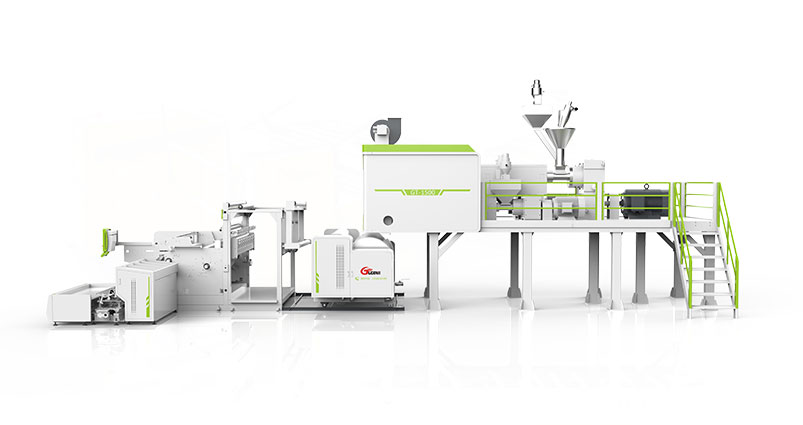
Learn how to use the Bubble Film Machine for food-grade packaging materials.
Related Reading
-
Chain Food Packaging with Bubble Foil: Temperature Control & Safety Guide
-
How to Test Your Cold Chain Packaging Before Peak Season
-
Recyclable and Compostable Options for Insulated Food Shipping
-
Understanding Dimensional Weight Pricing for Food E-Commerce
-
Cold Chain Optimization: Reducing Ice Pack Dependency




 English
 Français
 Español