You're shipping meal kits to subscribers across the country. The box leaves your facility at the right temperature. But by the time it reaches the customer's doorstep hours later? The ice packs have melted, and the salmon is hovering near the danger zone.
This scenario plays out thousands of times daily—and it's why choosing the right insulated packaging isn't just about convenience. It's about food safety, regulatory compliance, and customer trust. This guide walks you through how bubble foil insulation works for chain food packaging, what regulations apply, and how to build a reliable cold chain that keeps perishables safe from warehouse to doorstep.
What Is Bubble Foil and How Does It Work for Food Packaging?
Bubble foil insulation combines two materials with very different jobs. The aluminum foil layer reflects radiant heat—keeping external warmth away from chilled contents or retaining cold temperatures inside. The bubble layer, typically made from polyethylene (PE), creates air pockets that provide two critical benefits: thermal resistance (since trapped air is a poor conductor of heat) and physical cushioning against impacts during transit.
How the Layers Work Together
| Layer |
Function |
Benefit for Food Shipping |
| Aluminum Foil |
Reflects radiant heat |
Prevents external heat from entering; keeps cold in |
| Air Bubble Layer (PE) |
Creates thermal break + cushioning |
Maintains temperature stability; absorbs shocks |
| Multi-layer construction |
Combines reflection + insulation |
Up to 48 hours of temperature protection |
The result is a lightweight, flexible material that can line standard shipping boxes, wrap individual food items, or serve as pallet covers for bulk distribution. Unlike rigid foam coolers, bubble foil adds minimal weight to shipments—helping keep shipping costs manageable while still providing meaningful thermal protection.
Why this matters for your cold chain: Every extra ounce increases freight costs. Bubble foil achieves thermal performance without the weight penalty of EPS foam or the storage headaches of bulky containers. For businesses shipping hundreds of meal kits weekly, this weight difference adds up fast.
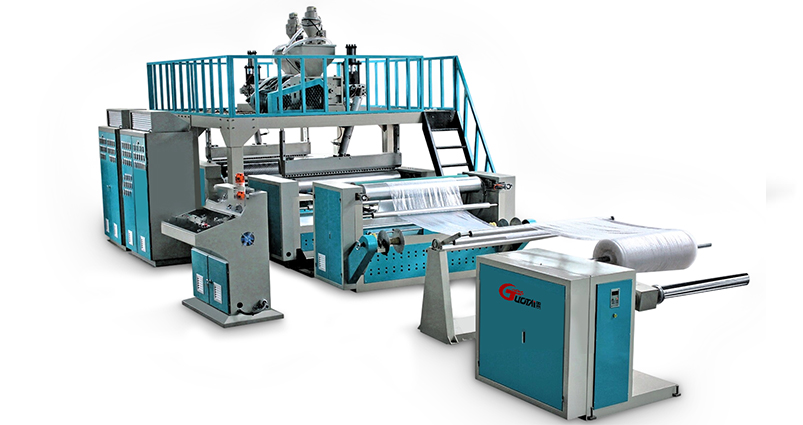
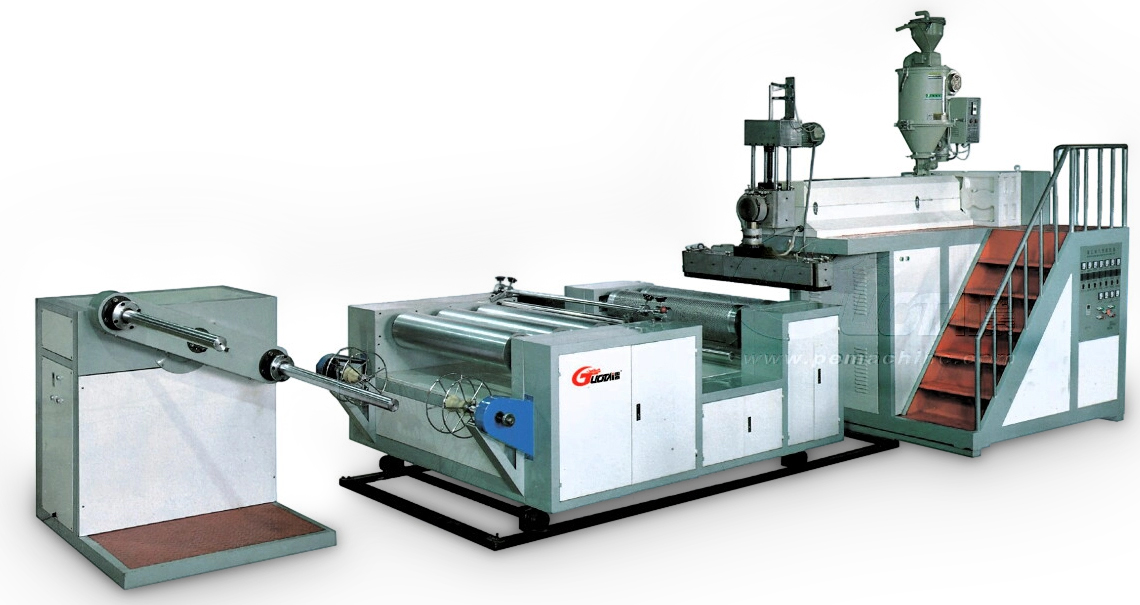
Learn more about the co-extrusion technology of multi-layer bubble film machine for enhanced film tensile strength.
Critical Food Safety Regulations for Bubble Packaging
Not all bubble packaging is created equal—and when food is involved, regulatory compliance isn't optional.
Material Safety Standards You Must Know
Bubble packaging intended for food contact must meet strict material safety requirements across major markets:
European Union (REACH & FDA-equivalent standards)
The EU's REACH regulation restricts Substances of Very High Concern (SVHC) in packaging materials. For bubble foil used with food, manufacturers must ensure additives like plasticizers and anti-static agents stay within permitted limits. PE material is generally preferred over PVC for food applications due to lower toxicity risks.
United States (FDA food contact requirements)
The FDA regulates materials that come into contact with food. For bubble packaging, this means ensuring no harmful substances migrate from the packaging into the food—particularly important for frozen goods where condensation can increase contact time.
China (GB standards)
China's GB standards for food contact materials require clear labeling of material composition, production dates, and compliance certifications. Exporters shipping into the Chinese market need to verify their packaging suppliers meet these requirements.
What to Look For in Compliance Documentation
When sourcing bubble foil for food packaging, request and review:
-
REACH/SVHC declarations confirming restricted substance compliance
-
FDA food contact test reports (for US-bound shipments)
-
Material composition certificates showing PE purity levels
-
Migration test results prove no harmful transfer to food
According to guidance from the European Food Safety Authority (EFSA), packaging materials used in temperature-controlled supply chains must maintain their structural integrity across the entire expected temperature range—meaning your bubble foil shouldn't become brittle at freezing temperatures or lose adhesion when condensation forms.
Common Applications in the Food Supply Chain
Bubble foil insulation serves multiple roles across the food logistics chain. Understanding where and how it's used helps you match the right solution to your specific shipping needs.
Meal Kit and Fresh Ingredient Delivery
Meal kit services face perhaps the most demanding challenge: shipping multiple ingredients with different temperature requirements in a single box. Bubble foil liners, often combined with sustainable paper exteriors, help maintain safe internal temperatures while reducing dependency on ice packs. Some operators report extending safe transit windows to 48 hours with properly designed multi-layer bubble foil systems.
Frozen Food and Ice Cream Distribution
For frozen goods, maintaining sub-zero temperatures is non-negotiable. Double-bubble construction with aluminum foil on both sides (AL/Bubble/AL) provides maximum thermal resistance. Pallet-sized covers using this construction can keep frozen pallets at temperature for up to 48 hours during distribution.
Temperature-Sensitive Beverages and Chocolates
Wine, chocolate, and specialty beverages are vulnerable to both heat and cold extremes. Bubble foil's thin profile allows it to fit inside gift boxes without adding bulk, while the reflective layer prevents heat absorption during warm-weather shipping. For chocolates, the insulation also helps prevent melting without the condensation issues that can occur with some alternative materials.
Pharmaceutical and Medical Cold Chain
While outside the food category, it's worth noting that the same bubble foil technology serves pharmaceutical cold chains—shipping vaccines, insulin, and lab samples that require strict temperature control. This crossover validation speaks to the material's reliability for temperature-sensitive logistics.
Step-by-Step: Evaluating Bubble Foil for Your Cold Chain
Before committing to a specific bubble foil solution, work through this five-step evaluation framework. Each step helps you avoid over-specifying (wasting money on unnecessary performance) or under-specifying (risking product loss).
Step 1: Map Your Transit Time and Temperature Requirements
How long does your product need to stay within its safe temperature range? Common thresholds:
-
< 4 hours: Single-layer bubble foil may suffice
-
4-24 hours: Double-bubble or foil-on-both-sides construction recommended
-
24-48 hours: Multi-layer with reinforced seals and possibly gel pack integration
Step 2: Identify Your Weakest Link
The cold chain is only as strong as its most vulnerable point. Check for:
-
Pallet-to-pallet transfer delays during hub sorting
-
Last-mile exposure on doorsteps in direct sunlight
-
Condensation risks when moving between temperature zones
Bubble foil's waterproof properties help here—unlike paper-based insulation, it won't lose effectiveness when wet.
Step 3: Match Material to Product Type
| Product Type |
Key Risk |
Recommended Bubble Foil Feature |
| Wet/frozen seafood |
Moisture, odor transfer |
Waterproof foil exterior, easy-clean surface |
| Dry goods (chocolates, coffee) |
Temperature fluctuation, condensation |
Vapor barrier, anti-condensation design |
| Mixed temperature (meal kits) |
Competing requirements |
Compartmentalized liners, gel pack slots |
Step 4: Verify Compliance Documentation
As detailed in the regulations section, request and review all relevant certifications before purchasing. Don't accept generic claims—ask for lot-specific test reports for food-contact compliance.
Step 5: Test Before Full Deployment
Run a real-world test: pack your product with the proposed bubble foil solution, ship it through your actual carrier network, and monitor internal temperatures at multiple points. Measure against your specifications, not just "seems fine."
Making the Right Choice for Your Supply Chain
Selecting bubble foil for chain food packaging isn't about finding the "best" material—it's about matching performance characteristics to your specific transit environment, regulatory requirements, and product sensitivity.
When single-layer bubble foil works:
-
Short transit times (under 4 hours)
-
Climate-controlled logistics with minimal temperature variation
-
Low-value or less temperature-sensitive products
When multi-layer or double-sided foil is necessary:
-
Overnight or multi-day shipping windows
-
Extreme ambient temperatures (summer heat or winter cold)
-
High-value products (premium seafood, specialty chocolates, pharmaceuticals)
-
Regulatory requirements for documented temperature control
For most meal kit operators and direct-to-consumer food brands shipping fresh or frozen products, double-bubble construction with aluminum foil on at least one side represents the sweet spot: sufficient insulation for 24-48 hour protection without the weight or cost of industrial-grade solutions.
Next Steps: From Guide to Selection
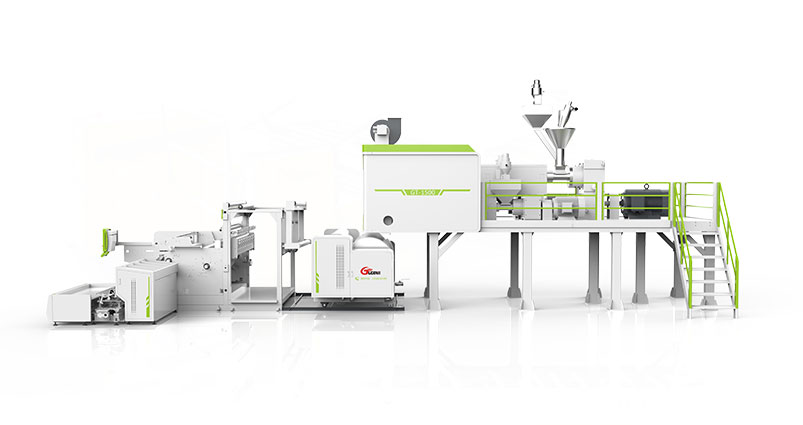
Once you have clarified these key decision factors—transit time, product sensitivity, regulatory markets, and budget constraints—comparing the specific specifications of available options becomes the next logical step. You can explore equipment solutions for producing compliant bubble film materials designed for food-grade applications, or review case studies from food distributors who have optimized their cold chain packaging.
Learn how to use the Bubble Film Machine for food-grade packaging materials.
Related Reading
-
Bubble Wrap vs Foam Packaging: Which Protects Better for Food Shipping?
-
Understanding REACH Compliance for Food Contact Packaging
-
Cold Chain Optimization: Reducing Ice Pack Dependency with Better Insulation
-
How to Test Your Cold Chain Packaging Before Peak Season
-
Sustainable Options in Temperature-Controlled Packaging



 English
 Français
 Español