Why More Bubble Wrap Factories Are Switching to Automatic Production Lines
The Bubble Wrap Industry Is Changing
The bubble wrap industry has evolved rapidly over the past few years. Rising labor costs, increasing demand for consistent product quality, and stricter environmental regulations are forcing manufacturers to rethink their production methods.
Factories that once relied on semi-automatic equipment are now investing in fully automatic bubble wrap production lines. This transition is no longer just about increasing output—it is about building a more efficient, competitive, and sustainable manufacturing operation.
So, what is driving this change?
1. Labor Costs Continue to Rise
One of the biggest challenges facing manufacturers today is labor.
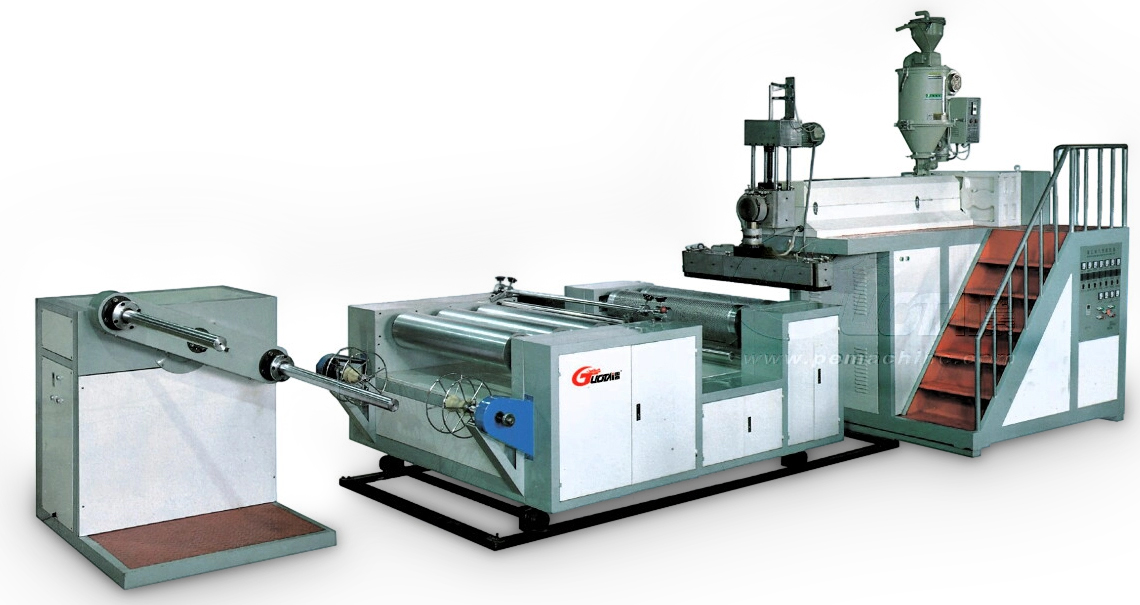
Semi-automatic production requires operators to perform tasks such as roll changing, cutting, material handling, and machine monitoring. As wages continue to increase and experienced workers become harder to recruit, labor costs represent a growing percentage of production expenses.
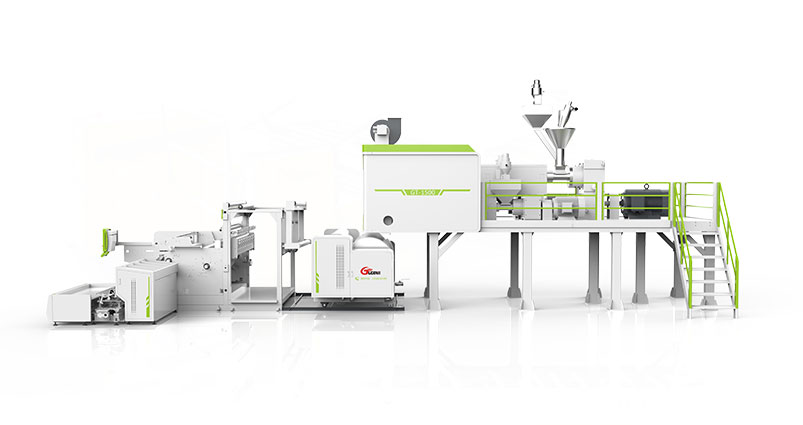
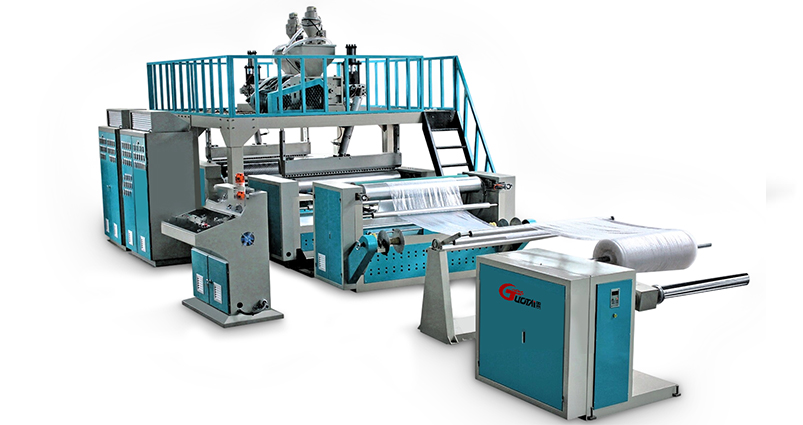
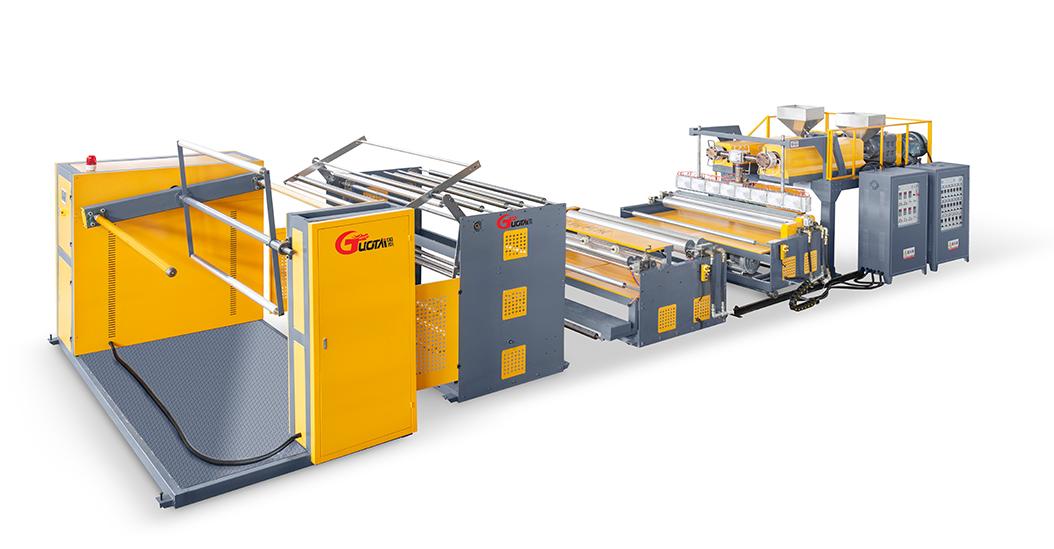
Automatic production lines reduce manual intervention through features such as automatic roll changing, automatic cutting, automatic winding, and intelligent control systems. This allows factories to operate with fewer workers while maintaining continuous production.
2. Stable Production Means Better Product Quality
Automatic production lines maintain precise control over temperature, tension, speed, and winding, helping manufacturers produce consistent bubble wrap with fewer defects, lower reject rates, and higher customer satisfaction.
3. Lower Material Waste Improves Profitability
Modern automatic bubble film machine often includes online edge trim recycling, precise tension control, accurate thickness adjustment, and stable extrusion systems to reduce scrap and improve raw material utilization.
4. Automation Supports Sustainable Manufacturing
Automation helps manufacturers reduce energy consumption, minimize production waste, improve recycling efficiency, and support the use of recycled materials, making production more sustainable.
5. Continuous Production Increases Overall Efficiency
Automatic roll changing and winding reduce downtime caused by manual operations, improving productivity over the long term.
Is Automation Right for Every Factory?
Factories should evaluate their product types, production targets, labor availability, energy costs, and expansion plans before choosing the most suitable level of automation.
Looking Ahead
The future of bubble wrap manufacturing is defined by stable quality, efficient production, reduced labor dependency, and optimized material utilization. Automation is becoming a practical investment for long-term growth.
Conclusion
As market expectations continue to evolve, automatic bubble wrap production lines are becoming an increasingly attractive solution for manufacturers worldwide. Investing in automation helps improve quality, efficiency, flexibility, and long-term competitiveness.
Related Reading
-
Why More Manufacturers Are Switching to Automatic Bubble Wrap Machines
-
Fully Automatic Bubble Film Machine for Modern Packaging Production
-
Revolutionizing Packaging Efficiency with the Fully Automatic Bubble Film Machine
-
Upgrade Your Packaging Line with a Fully Automatic Composite Bubble Film Machine
For You!