Why Flexo Printing Could Dominate Packaging in the Next 5 Years
2026.06.24
Site Editor:
The packaging industry is entering a period of rapid transformation. Rising environmental standards, increasing demand for short-run production, and growing pressure to reduce operating costs are forcing manufacturers to rethink their printing processes.
For decades, gravure printing dominated flexible packaging due to its excellent print quality and high-volume efficiency. However, market conditions are changing. More packaging producers are now looking at flexographic printing as a practical and future-oriented solution.
Could flexo printing become the leading packaging printing technology within the next five years? Let's examine the factors driving this shift.
The Packaging Market Is Changing Faster Than Ever
Consumer behavior has evolved significantly over the past decade.
Brands no longer order a single design in massive quantities. Instead, they frequently launch seasonal packaging, limited-edition products, regional branding campaigns, customized product lines, and e-commerce packaging solutions.
As a result, packaging converters are handling more frequent design changes and smaller production runs. Flexo printing offers a major advantage: fast setup and quick job changeovers.
Sustainability Is Becoming a Competitive Requirement
Environmental compliance is no longer optional. Governments worldwide are implementing stricter regulations on emissions, chemical usage, and workplace safety.
Flexographic printing supports environmentally friendly ink systems, including water-based inks, UV-curable inks, and low-VOC formulations. These technologies help manufacturers meet regulatory requirements more easily.
Lower Operating Costs Matter More Than Ever
Modern flexographic printing offers several cost advantages, including reduced ink consumption, faster production transitions, and lower maintenance requirements. These benefits help manufacturers improve profitability while maintaining product quality.
Improvements in Print Quality Have Closed the Gap
Today's flexographic printing systems benefit from high-definition photopolymer plates, precision anilox rollers, advanced registration control, improved ink chemistry, and automated tension management. Modern flexo presses can achieve excellent print quality for many packaging applications.
Automation Is Accelerating Flexo Adoption
Packaging companies increasingly seek equipment that reduces operator dependency, minimizes setup errors, improves consistency, and generates production data. Modern flexographic presses often integrate intelligent automation features that make production more efficient and predictable.
Why Small and Medium Packaging Companies Prefer Flexo
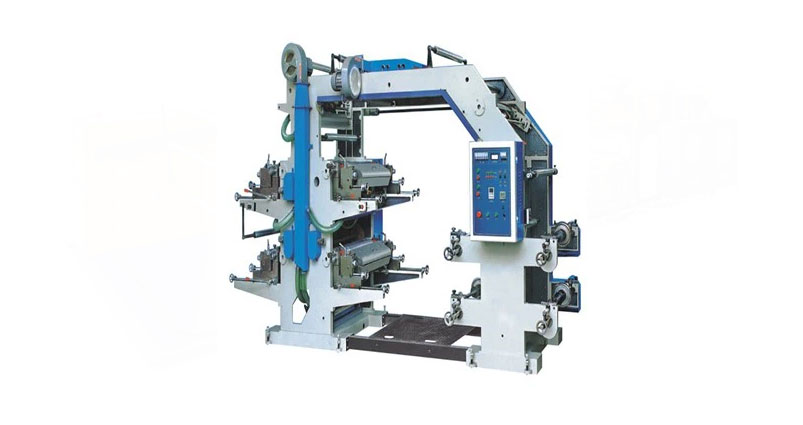
Flexo printing machine offer flexible production scheduling, faster order turnaround, easier product diversification, and scalable investment opportunities. These advantages make it attractive to growing packaging businesses.
What Will the Next Five Years Look Like?
Gravure printing will continue serving certain high-volume applications, while digital printing expands in customized markets. However, flexographic printing combines efficiency, environmental compatibility, quality, flexibility, and cost-effectiveness, making it a strong candidate for future industry leadership.
Conclusion
The future of packaging is shaped by sustainability, efficiency, automation, and customer demand. Flexographic printing addresses all four areas simultaneously. For many converters, the question is no longer whether flexo printing has a future, but how quickly they can adapt to it.
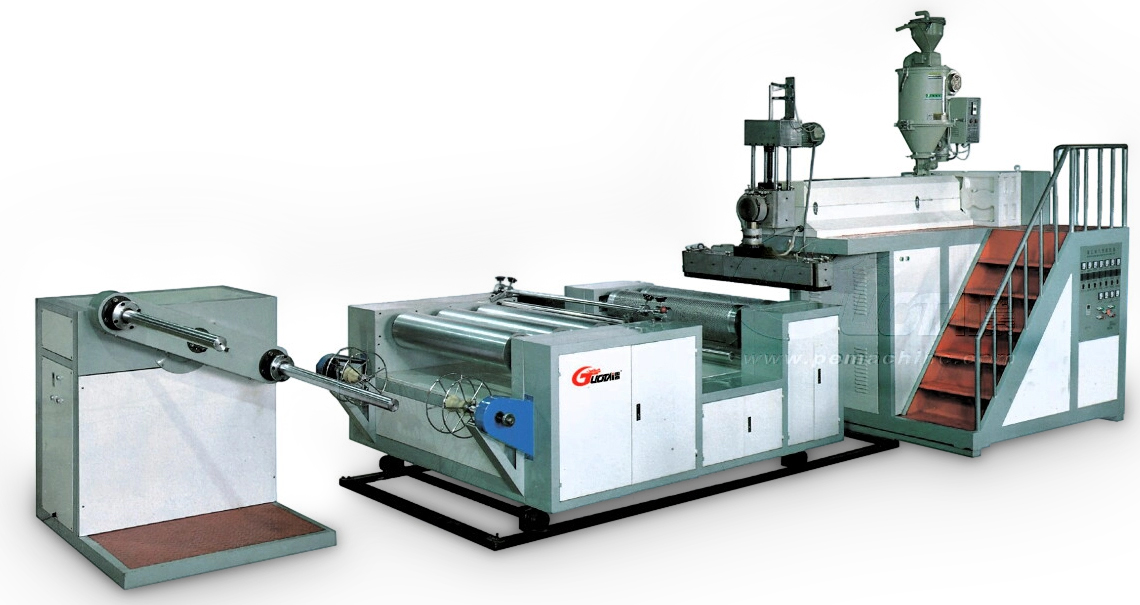
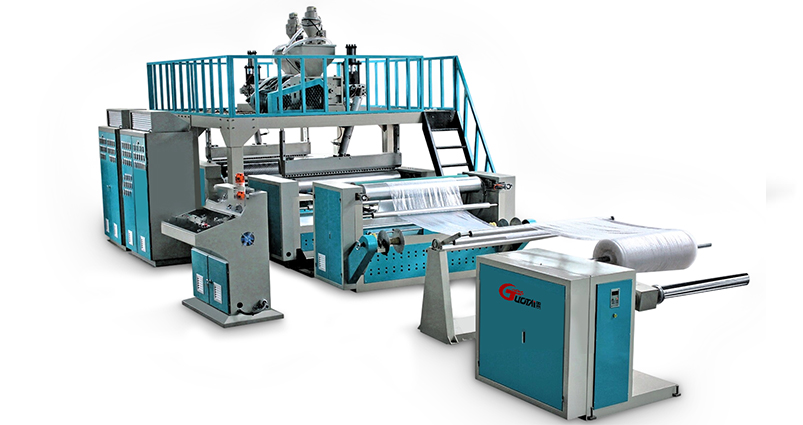
Guotai’s PE Bubble Film Machine is engineered for high-performance polyethylene film production, integrating multi-layer co-extrusion technology to deliver 1100 meters per hour output. Designed specifically for standard and composite bubble film, this CE-certified extruder reduces energy consumption by 30% compared to conventional models, while ensuring precise bubble formation (6-30mm diameter) for packaging applications in food, electronics, and logistics industries.
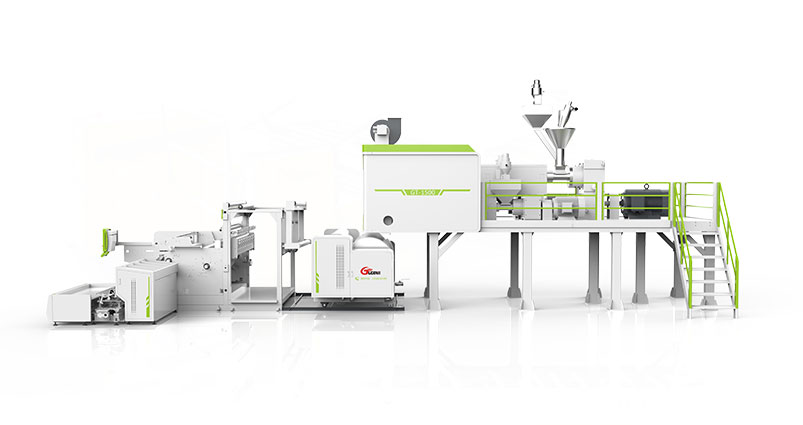
Guotai Machinery introduces the GT-1500 Triple Extrusion Polyethylene Stretch Film and Cling Film Manufacturing Machine, a testament to our innovation and commitment to quality. This state-of-the-art machine, certified by CE, is designed to produce both stretch film and...
Guotai’s Plastic Bubble Film Machine series (GT-1500 to GT-3000) is engineered for versatile polyethylene film manufacturing, supporting LDPE/LLDPE raw materials and producing 0.03-0.2mm thick bubble film with widths up to 3000mm. Equipped with high-precision composite rollers and intelligent temperature control, this machine reduces material waste by 15% while ensuring continuous 24-hour operation—ideal for packaging applications in e-commerce, electronics, and furniture industries. Its environmentally friendly process (zero harmful emissions) complies with EU environmental standards, balancing high productivity (450kg/h max output) with sustainable production.
GET A QUOTE
Talk to Our Expert
Talk to Our Expert.
GET IN TOUCH NOW
We value your privacy
We use cookies to provide you with a better online experience, analyse and measure website usage, and assist in our marketing efforts.


 English
 Français
 Español