Your customers are asking for sustainable packaging. New regulations are setting recycled content targets. And your raw material costs keep rising. You have heard that bubble film machines can run on recycled LDPE—but you have also seen failed runs with inconsistent bubbles, frequent web breaks, and films that look nothing like the glossy rolls your customers expect.
So, can bubble film machines actually use recycled materials? The short answer is yes. Many machines support 100% recycled LDPE in specific configurations. But the longer answer involves understanding the technical challenges of recycled polyethylene, which machine designs handle it best, and how to adjust your process to maintain film quality.
This guide walks you through everything you need to know.
Can Bubble Film Machines Process Recycled Materials? The Short Answer
Yes, bubble film machines can process recycled materials—specifically recycled low-density polyethylene (rLDPE) and recycled linear low-density polyethylene (rLLDPE). Many modern bubble film extrusion lines are designed with recycled material compatibility as a standard feature, not an afterthought.
What Materials Work
| Material Type |
Recycled Content Feasibility |
Notes |
| Post-industrial recycled LDPE |
Up to 100% |
Cleaner feed stock, more consistent |
| Post-consumer recycled LDPE |
30–50% typical; up to 100% possible with advanced machines |
Greater variability requires better filtration |
| Mixed recycled PE (LDPE/LLDPE) |
Up to 40% |
More challenging; requires precise temperature control |
| rLDPE in core layers only |
Up to 50% |
Best practice: hide recycled content between virgin layers |
Most bubble film machines are built to handle LDPE and LLDPE as primary feedstocks, and recycled polyethylene falls within that family. What changes is not the fundamental compatibility, but the processing window—the range of temperatures, pressures, and speeds at which stable production occurs. Recycled materials have a narrower window than virgin resins, but modern machine designs have adapted accordingly.
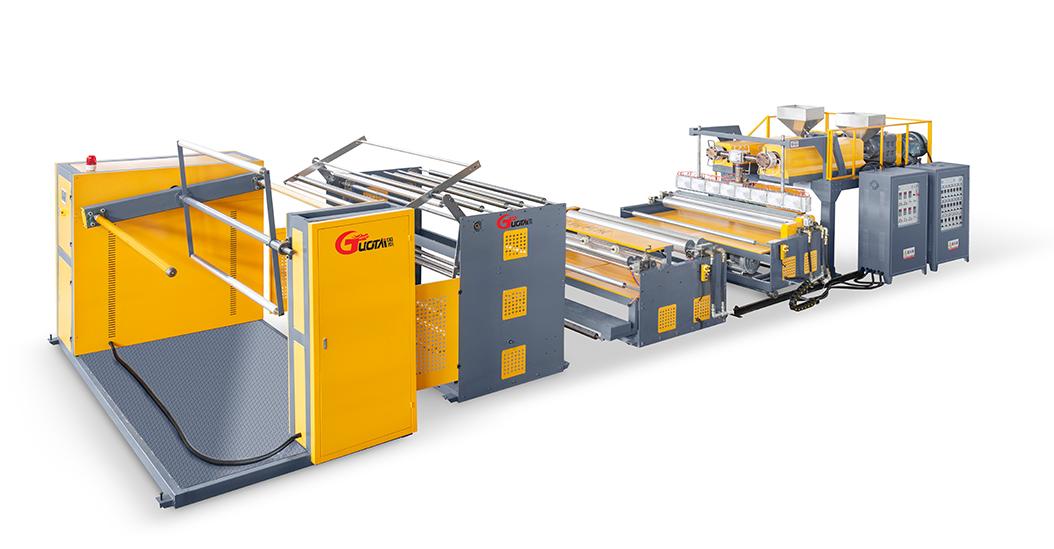
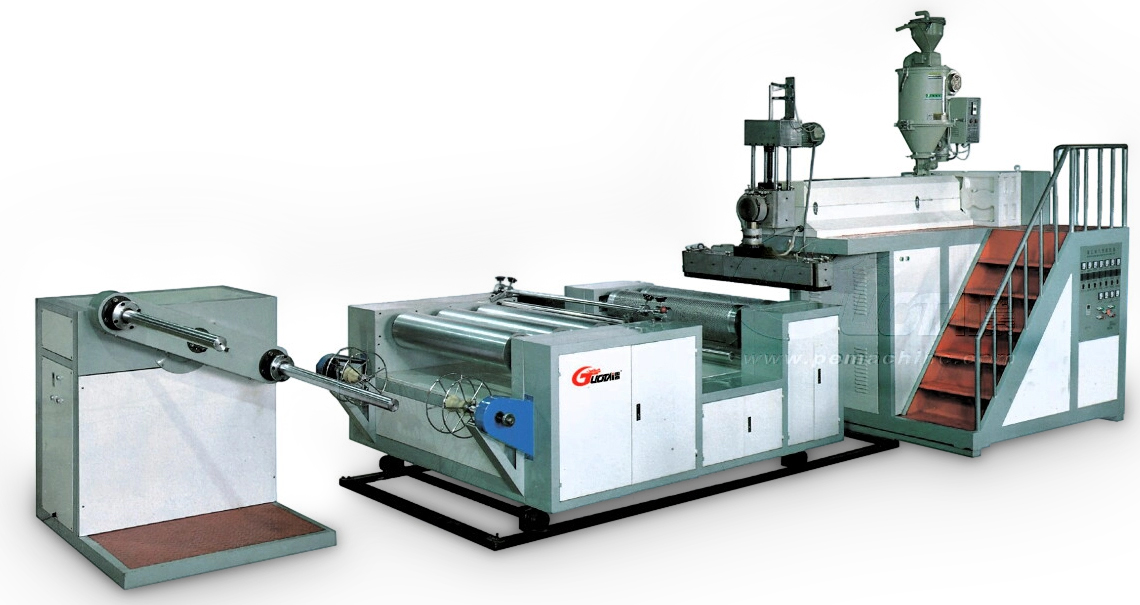
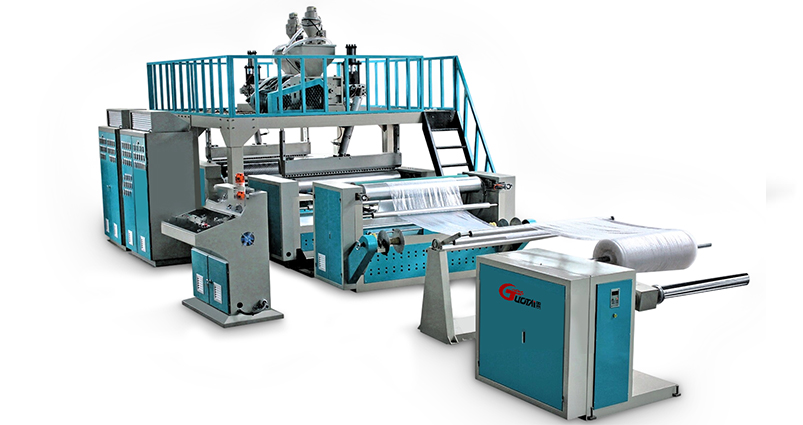
Learn about multi-layer bubble film machine configurations designed for recycled material processing.
Why Recycled LDPE Creates Processing Challenges
If recycled PE is chemically similar to virgin PE, why does it cause problems? The answer lies not in the chemistry but in the history of the material.
Contamination and Variability
Recycled plastic is not a standardized raw material. It comes from collected waste streams—stretch wrap, shipping bags, agricultural films, and bubble wrap itself. These sources vary in:
-
Polymer types: LDPE, LLDPE, HDPE, and even non-PE contaminants like polyamide-6 from multilayer packaging.
-
Additives: Slip agents, anti-block additives, colorants, and UV stabilizers.
-
Degradation: Multiple heat histories shorten polymer chains, reducing melt strength.
-
Physical contaminants: Adhesives from labels, dirt, paper fibers, and other debris.
According to research published in Elsevier‘s Polymer journal (Volume 314, 2024), multi-layer films containing recycled materials maintained extrusion process stability and exhibited good mechanical properties comparable to virgin LDPE films.
The Three Key Technical Bottlenecks
| Bottleneck |
What It Means |
Impact on Bubble Film |
| Low melt strength |
Recycled PE flows too easily when heated |
Bubbles collapse; uneven wall thickness |
| Inconsistent rheology |
Melt flow index varies between batches |
Bubble instability; film thickness irregularities |
| Thermal sensitivity |
Degrades at temperatures virgin PE tolerates |
Burning, die drool, contamination streaks |
When rLDPE is reprocessed, molecular chain scission occurs. The polymer chains break into shorter segments, reducing the material’s ability to maintain strength during bubble formation. In conventional extrusion lines, this variability leads to what operators call “bubble flutter”—the bubble dome oscillating or collapsing mid-run, causing web breaks and scrap.
What Machine Features Enable Recycled Material Processing
Not all bubble film machines handle recycled material equally. The machines that succeed with high recycled content share specific design features that address the challenges described above.
Advanced Screw Design
The screw is the heart of the extruder. For recycled materials, standard general-purpose screws often underperform. Features to look for include:
-
Grooved feed sections: Improve feeding consistency for recycled pellets that may have irregular shapes or friction properties.
-
High-dispersion mixing pins: Break up agglomerates and ensure even distribution of recycled content throughout the melt.
-
Barrier mixing sections: Apply both shear and distributive mixing to homogenize recycled fractions with virgin polymer, stabilizing melt viscosity.
These engineering features allow machines to maintain bubble stability even with recycled content levels up to 40%, at speeds exceeding 120 meters per minute.
Precision Temperature Control
Recycled materials require tighter thermal control than virgin resins. Key capabilities include:
-
Multi-zone barrel heating: Allows different temperature profiles for different extruders—because recycled material in one layer may need different conditions than virgin resin in another.
-
Closed-loop PID controllers: Hold melt temperatures within ±1.5°C, eliminating localized fluctuations that cause bubble oscillation.
-
Segmented heating systems: Independent control of die zones enables precise adjustment for each melt stream.
In multi-layer configurations, uniform temperature settings across all extruders are not recommended—different materials require individual processing conditions. Research has demonstrated that three-layer ABC configuration co-extrusion (virgin material in one external layer, recycled content in the other two) successfully maintains process stability while incorporating post-industrial recycled multilayer films, with the resulting material properties performing comparably to virgin LDPE films.
Multi-Layer Co-Extrusion Capability
This is perhaps the most important feature for processors wanting to use recycled content economically. Multi-layer co-extrusion allows you to:
-
Place recycled material in core layers where it does not contact the film‘s surface.
-
Keep outer layers virgin—or low-recycled-content—to preserve appearance, gloss, and sealing properties.
-
Adjust layer thickness ratios independently to minimize recycled material exposure while maximizing its usage.
For example, a 3-layer bubble film can use up to 50% recycled content in the middle layer while outer layers remain virgin. The resulting film‘s surface quality is indistinguishable from 100% virgin material, but the cost per ton drops significantly.
Effective Melt Filtration
Contaminants must be removed before they reach the die. Continuous filtration systems allow longer production runs by removing a significant proportion of impurities present in the melt. For bubble film applications, screen changers with fine mesh ratings (150–250 microns) are typical for recycled material processing.
Step-by-Step: How to Introduce Recycled Material Into Your Production
Success with recycled bubble film is not just about having the right machine—it is about having the right process. Follow these steps to minimize risk and maintain quality.
Step 1: Start with Clean, Consistent Recycled Feedstock
The quality of your output depends entirely on the quality of your input. For best results:
-
Source post-industrial recycled material if possible—it is cleaner and more consistent than post-consumer.
-
If using post-consumer rLDPE, work with a supplier that provides material data sheets showing melt flow index (MFI) range, contaminant levels, and filterability.
-
Look for rLDPE grades specifically formulated for blown film applications. Some suppliers offer 100% post-consumer LDPE pellets with very low gel counts suitable for high-end film production.
Step 2: Dry Your Material Thoroughly
Moisture is the enemy. Recycled materials—especially those that have been washed and pelletized—can absorb moisture that creates micro-defects during extrusion. Excess moisture leads to:
Incorporate controlled material feeding systems with drying capability before introducing recycled content into your extruder.
Step 3: Start with Low Recycled Percentages
Do not attempt 50% recycled content on your first run. Begin with 10–20% replacement of virgin material and gradually increase while monitoring:
-
Bubble stability (watch for flutter or collapse)
-
Film thickness uniformity
-
Surface appearance (gel count, clarity)
-
Tensile strength and puncture resistance
Once your process is stable at 20%, move to 30%, then 40%. Some advanced machines can reach 50% post-consumer recycled content while maintaining standard mechanical properties.
Step 4: Adjust Temperature Profiles Individually
As noted earlier, different extruders may need different temperatures when running recycled material. For the extruders handling rLDPE:
-
Recycled materials typically require slightly higher processing temperatures than virgin LDPE to achieve comparable melt flow.
-
However, avoid overheating—thermal degradation accelerates with recycled content.
-
Monitor melt pressure and adjust gradually.
Step 5: Increase Filtration and Change Screens More Frequently
Recycled material carries more contaminants than virgin resin. Be prepared to:
-
Use finer mesh screens to catch smaller gels and particles.
-
Change screens more frequently—watch for rising melt pressure as an indicator that your screen pack is loading up.
-
Consider upgrading to continuous filtration if you plan to run recycled content long-term.
Step 6: Test, Measure, and Adjust
Document everything. Track the relationship between recycled content percentage and:
-
Film tensile strength (should stay within 20% of virgin baseline)
-
Bubble stability index (subjective but observable)
-
Scrap rate (expect some increase; target below 5% at your target recycled level)
-
Die drool frequency
Real-World Performance with Recycled Bubble Film
Scenario 1: E-commerce Cushioning Producer
A packaging manufacturer supplies bubble wrap to e-commerce fulfillment centers. Their customers do not require high optical clarity—just reliable cushioning at the lowest possible cost. The manufacturer switched from 100% virgin LDPE to a 3-layer configuration: outer layers of virgin (30% each) and a core layer of 100% recycled LDPE (40% of total film weight). The result: 40% recycled content overall, material cost reduction of approximately 20%, and no measurable change in cushioning performance.
Key factors for success: Multi-layer capability, clean post-industrial recycled feedstock, and consistent temperature control.
Scenario 2: High-Clarity Packaging for Food
A food packaging company produces transparent bubble film for cold chain shipping. Their customers demand clarity to see product labels through the film. This manufacturer uses a different approach: 2-layer bubble film with 100% virgin LDPE on the bubble side (where the customer sees) and up to 30% recycled content blended into the flat sealing layer. Visibility remains high, but recycled content meets regulatory sustainability reporting requirements.
Key factors for success: Layer-specific material allocation, higher-quality recycled material, and tighter temperature control.
Regulatory Drivers for Recycled Content in Bubble Film
The shift toward recycled materials is not just environmental—it is increasingly regulatory. Two major markets are driving change.
European Union: PPWR (Packaging and Packaging Waste Regulation)
The European Parliament approved regulation (EU) 2025/40 on packaging and packaging waste on December 16, 2024, entered into force on February 11, 2025, and will generally apply from August 12, 2026. Key requirements include minimum recycled content targets for plastic packaging by 2030 and 2040. These targets vary by packaging type: single-use plastic beverage bottles must contain 30% recycled content by 2030 and 65% by 2040, while PET-based contact-sensitive packaging must contain 30% by 2030 and 50% by 2040. For producers of non-contact protective packaging, such as bubble film used in logistics, understanding these tiered targets helps anticipate future compliance requirements.
California: SB 54 (Plastic Pollution Prevention and Packaging Producer Responsibility Act)
California‘s SB 54 was signed into law on June 30, 2022, and is currently in the rulemaking process with phased implementation requirements. The law establishes an extended producer responsibility (EPR) program for single-use packaging and plastic food service ware. Key requirements include: by 2032, 100% of single-use packaging and plastic food service ware sold in the state must be recyclable or compostable; the remaining single-use plastic packaging must achieve a 65% recycling rate; and overall plastic packaging use must be reduced by 25% by weight.
For out-of-state bubble film manufacturers selling into California, compliance will require demonstrating that their packaging materials meet these standards—driving demand for machines capable of processing recycled content.
Next Steps: From Feasibility to Production
The question “Can bubble film machines use recycled materials?” has a clear answer: yes, with the right machine design and process controls. Modern multi-layer bubble film machines, equipped with grooved feed sections, high-dispersion mixing pins, closed-loop temperature control, and effective filtration, can process recycled LDPE at levels of 30–50% while maintaining commercial-grade film quality.
The real question for your operation is not whether recycled material is possible, but which recycled content percentage makes sense for your specific product requirements, and what machine configuration best delivers that balance of cost savings and quality.
For high-clarity applications destined for food or retail packaging, lower recycled percentages (10–20%) in blended outer layers may be appropriate. For industrial cushioning where appearance is secondary, core-layer recycled content up to 50% is achievable with 3-layer or 5-layer co-extrusion.
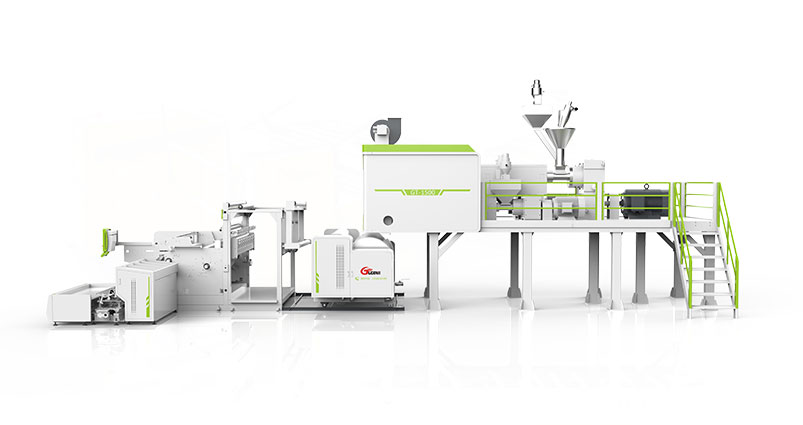
Once you have clarified your target recycled percentage, product requirements, and regulatory obligations, comparing the specific specifications of available machine configurations becomes the next logical step. You can review 2-layer, 3–5-layer, and 7-layer bubble film machine designs for different capabilities for processing recycled materials.
Learn how different bubble film Machine accommodate recycled material integration.
Related Reading
-
Chain Food Packaging with Bubble Foil
-
Anti-Static Bubble Film for Electronics
-
Bubble Wrap vs Foam Packaging: Which Protects Better for Food Shipping?
-
Sustainable Packaging Regulations 2026: What Producers Need to Know
-
Multi-Layer Co-Extrusion for Recycled Content Optimization


 English
 Français
 Español