Why Do Some Flat Bag Factories Make More Profit Than Others?
The Profit Gap Is Bigger Than Most Factory Owners Realize
Two factories may produce the same type of flat bags, use similar raw materials, and serve similar markets. Yet one factory consistently earns higher profits while the other struggles with rising costs and shrinking margins. The difference often comes down to production efficiency, material utilization, machine performance, and operational management.

Understanding the Economics of Flat Bag Production
Flat bags are widely used in retail packaging, food packaging, e-commerce fulfillment, industrial applications, medical packaging, and agricultural packaging. Because the products are relatively simple, profitability depends heavily on cost control and production efficiency.
Factor 1: Material Utilization Efficiency
Raw materials represent the largest production expense. Successful factories reduce edge trim waste, thickness variation, start-up scrap, and defective products. Better material utilization directly improves profitability.
Factor 2: Production Speed and Output Capacity
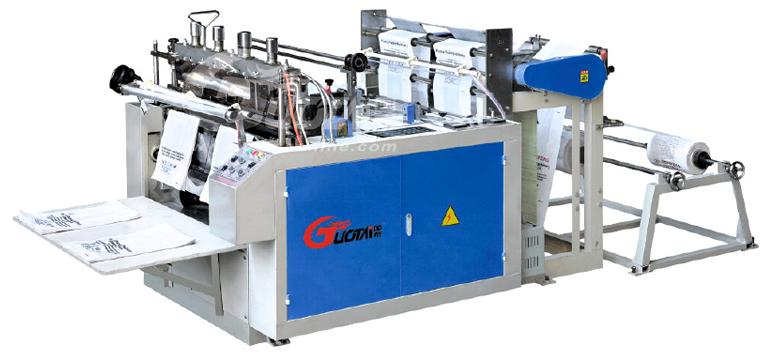
Higher production efficiency allows factories to complete more orders without increasing labor costs. Modern bag making machine provides stable feeding, accurate bag length control, and continuous high-speed operation.
Factor 3: Seal Quality and Product Consistency
Poor sealing quality can lead to customer complaints, returns, rework, and wasted materials. Consistent sealing quality improves customer satisfaction and repeat business.
Factor 4: Equipment Downtime
Unexpected downtime results in lost production hours, delayed deliveries, increased labor costs, and lower customer satisfaction. Reliable equipment is a major competitive advantage.
Factor 5: Labor Efficiency
Automation reduces dependence on manual labor through automatic feeding, counting, stacking, and punching functions. This lowers labor costs while improving consistency.
Factor 6: Product Diversification
Many profitable factories produce multiple products, such as flat bags, T-shirt bags, garbage bags, food packaging bags, and side seal bags. Diversification helps reduce market risk and increase profit opportunities.
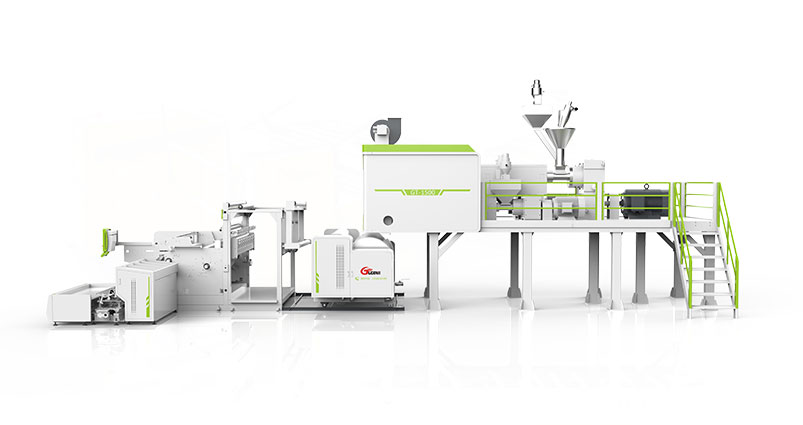
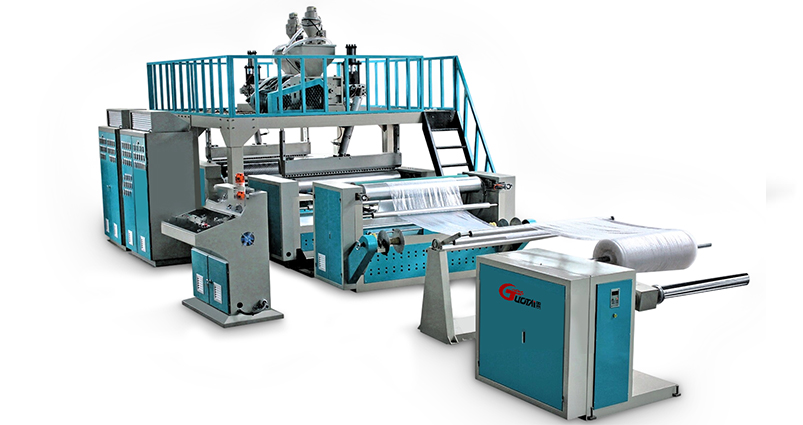
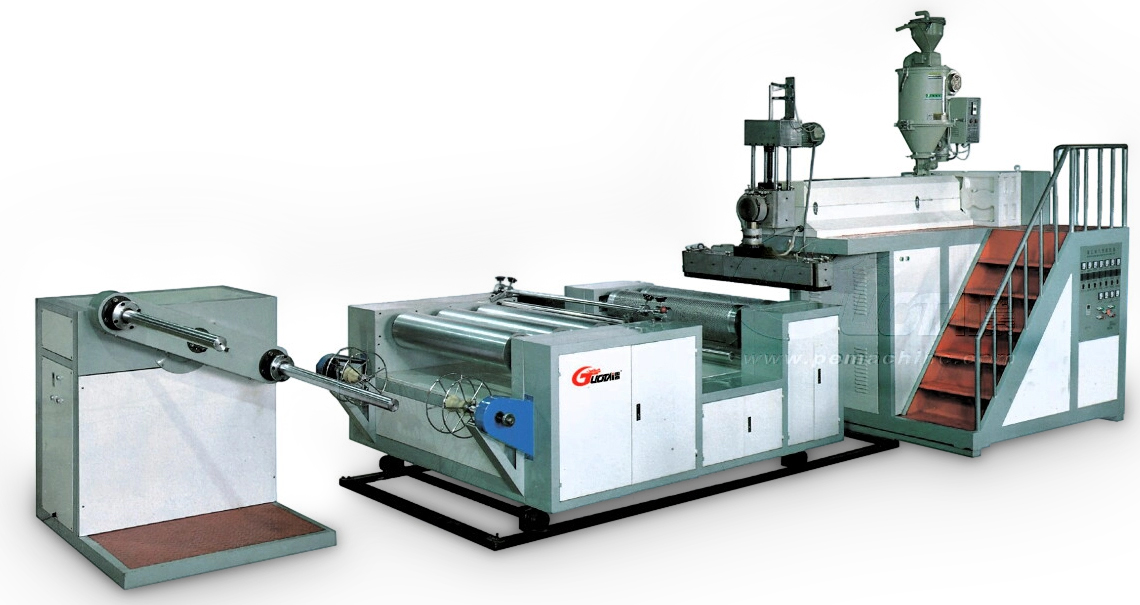
Factor 7: Choosing the Right Bag Making Machine
A modern flat bag making machine improves production stability, reduces waste, increases output efficiency, and enhances product quality. Equipment selection plays a crucial role in long-term profitability.
The Hidden Cost of Outdated Machines
Older machines often suffer from lower production speeds, higher defect rates, greater energy consumption, and increased maintenance costs. These hidden expenses can significantly reduce profits over time.
Frequently Asked Questions
Q: What is the biggest cost in flat bag production?
A: Raw materials are usually the largest cost component.
Q: Can automation improve profitability?
A: Yes. Automation reduces labor dependence and improves efficiency.
Q: Is upgrading machinery worth the investment?
A: In many cases, improved productivity and reduced waste quickly offset the investment cost.
Conclusion
The most profitable flat bag factories are often those that control costs effectively, maximize machine efficiency, reduce waste, and maintain consistent product quality. Long-term success comes from efficiency, not just higher output.
Next: Are Bubble Wrap Bubbles Actually Blown with Air?
Prev: NULL
For You!