Are Bubble Wrap Bubbles Actually Blown with Air?

2026.06.10
Site Editor:

The Short Answer: No, They Aren't

Many people assume that bubble wrap bubbles are created by blowing air into plastic film. However, modern bubble wrap production uses vacuum forming technology rather than an air-blowing process. This method creates consistent bubble sizes, improves product quality, and increases manufacturing efficiency.

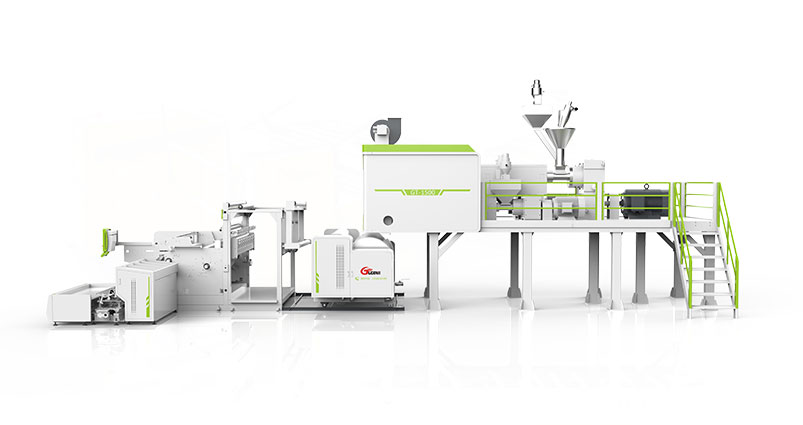
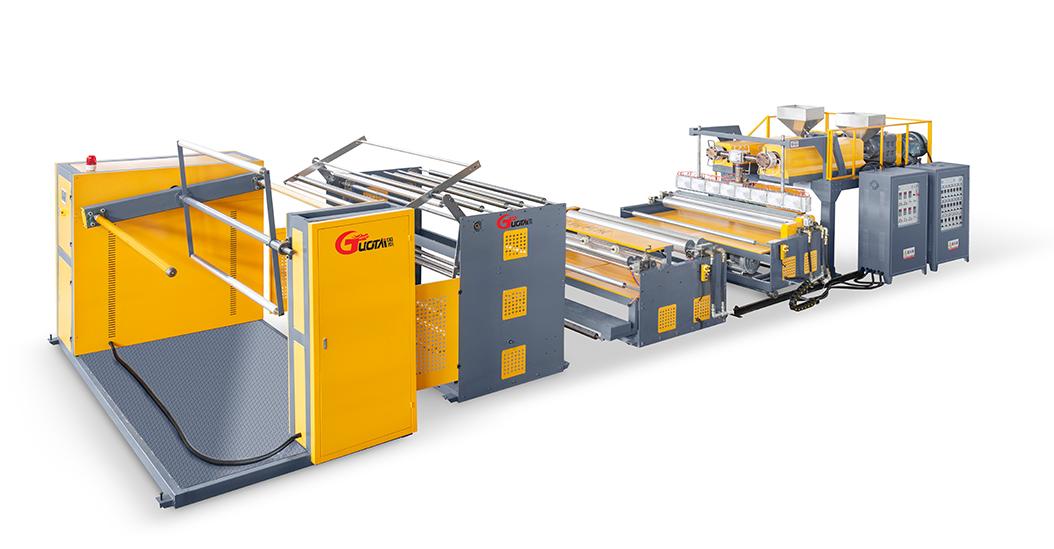
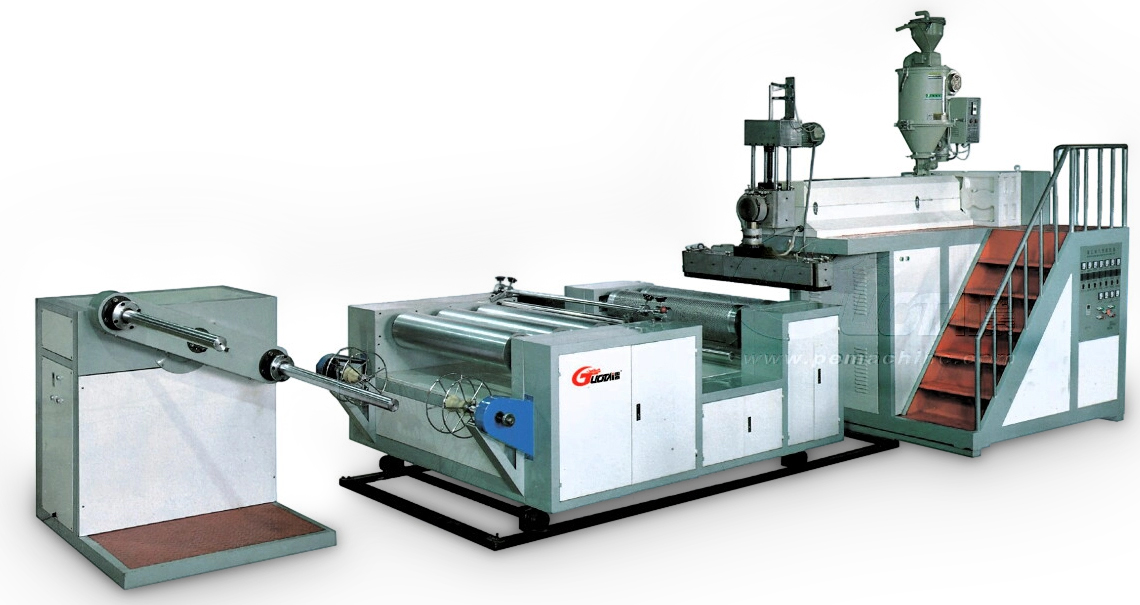
Bubble Film Machine

What Is Bubble Wrap?

Bubble wrap is a protective packaging material made from polyethylene (PE) film. Its air-filled bubbles provide cushioning and impact resistance for products during transportation and storage.

How Are Bubble Wrap Bubbles Formed?

  1. Plastic Melting: Polyethylene resin pellets are fed into an extruder where a rotating screw heats and melts the material.

  2. Film Extrusion: The molten plastic passes through a precision die to create continuous film layers.

  3. Vacuum Bubble Forming: One film layer passes over a bubble roller containing thousands of cavities. A vacuum pump removes air from these cavities, allowing atmospheric pressure to push the softened film into each cavity and form bubbles.

  4. Laminating and Sealing: Another film layer is laminated over the bubble layer, trapping air inside each bubble.

  5. Cooling and Winding: The finished bubble wrap is cooled and wound into rolls.

Why Is Vacuum Forming Better Than Air Blowing?

Vacuum technology provides more uniform bubble sizes, higher production speeds, improved product appearance, and reduced material waste.

What Determines Bubble Size?

Bubble size is primarily determined by the bubble roller design. Manufacturers can produce small, medium, or large bubbles simply by changing rollers.

Key Components of a Bubble Wrap Machine

Extruder, screw and barrel system, precision die head, bubble roller, vacuum pump, laminating section, and winder.

Can Bubble Wrap Be Made with Recycled Materials?

Yes. Many modern bubble film machine can process a combination of virgin and recycled polyethylene materials while maintaining stable product quality.

Frequently Asked Questions

Q: Is bubble wrap filled with air during production?

A: Not directly. The bubble shape is formed by vacuum pressure, and air becomes trapped during sealing.

Q: What material is used to make bubble wrap?

A: Polyethylene (PE) resin.

Q: Can one machine produce different bubble sizes?

A: Yes, by changing the bubble roller.

Conclusion

Bubble wrap bubbles are not blown into the film. Modern production relies on vacuum forming technology to create precise bubble structures efficiently and consistently.

Related Products
PE Bubble Film Machine
2-Layer High Speed Bubble Film Machine
Guotai’s PE Bubble Film Machine is engineered for high-performance polyethylene film production, integrating multi-layer co-extrusion technology to deliver 1100 meters per hour output. Designed specifically for standard and composite bubble film, this CE-certified extruder reduces energy consumption by 30% compared to conventional models, while ensuring precise bubble formation (6-30mm diameter) for packaging applications in food, electronics, and logistics industries.
upload/1c/202503/index-10-0906.jpg
Stretch Film Roll Machine
Guotai Machinery introduces the GT-1500 Triple Extrusion Polyethylene Stretch Film and Cling Film Manufacturing Machine, a testament to our innovation and commitment to quality. This state-of-the-art machine, certified by CE, is designed to produce both stretch film and...
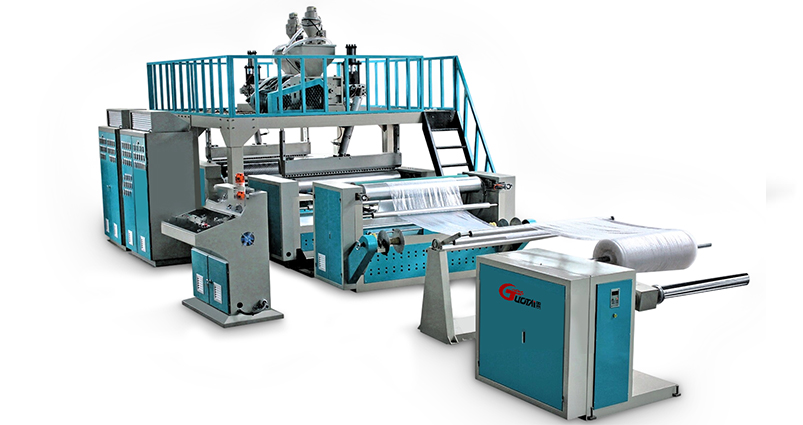
Plastic Bubble film Machine
3-5 Layer Laminated Bubble Film Machine
Guotai’s Plastic Bubble Film Machine series (GT-1500 to GT-3000) is engineered for versatile polyethylene film manufacturing, supporting LDPE/LLDPE raw materials and producing 0.03-0.2mm thick bubble film with widths up to 3000mm. Equipped with high-precision composite rollers and intelligent temperature control, this machine reduces material waste by 15% while ensuring continuous 24-hour operation—ideal for packaging applications in e-commerce, electronics, and furniture industries. Its environmentally friendly process (zero harmful emissions) complies with EU environmental standards, balancing high productivity (450kg/h max output) with sustainable production.

GET A QUOTE

Talk to Our Expert

Talk to Our Expert.
Captcha Code
GET IN TOUCH NOW
Captcha Code
We value your privacy
We use cookies to provide you with a better online experience, analyse and measure website usage, and assist in our marketing efforts.
Accept All