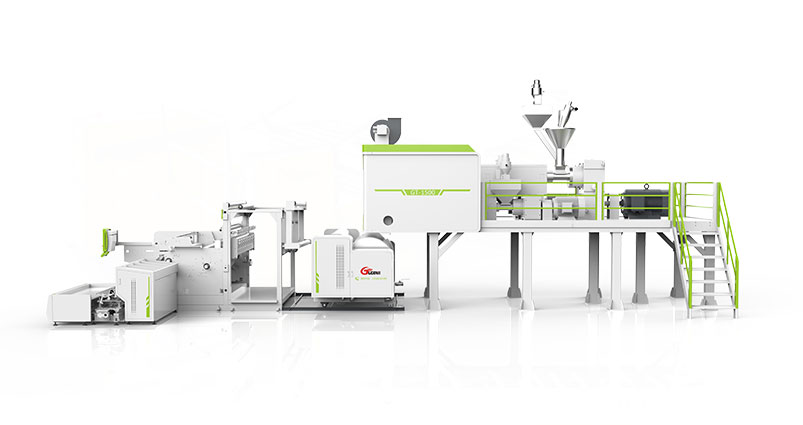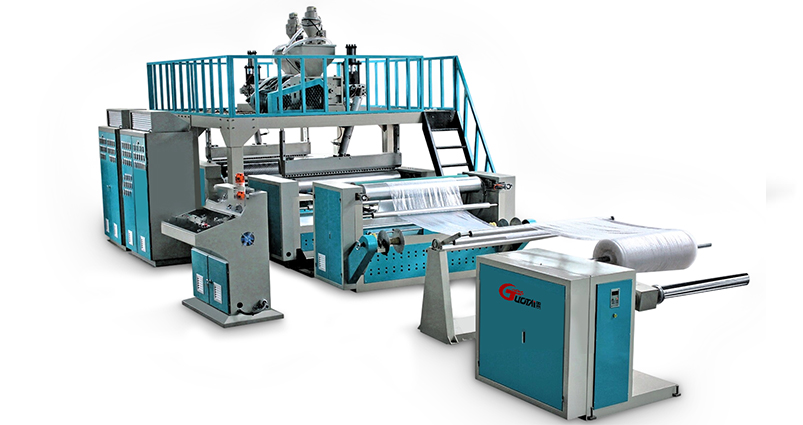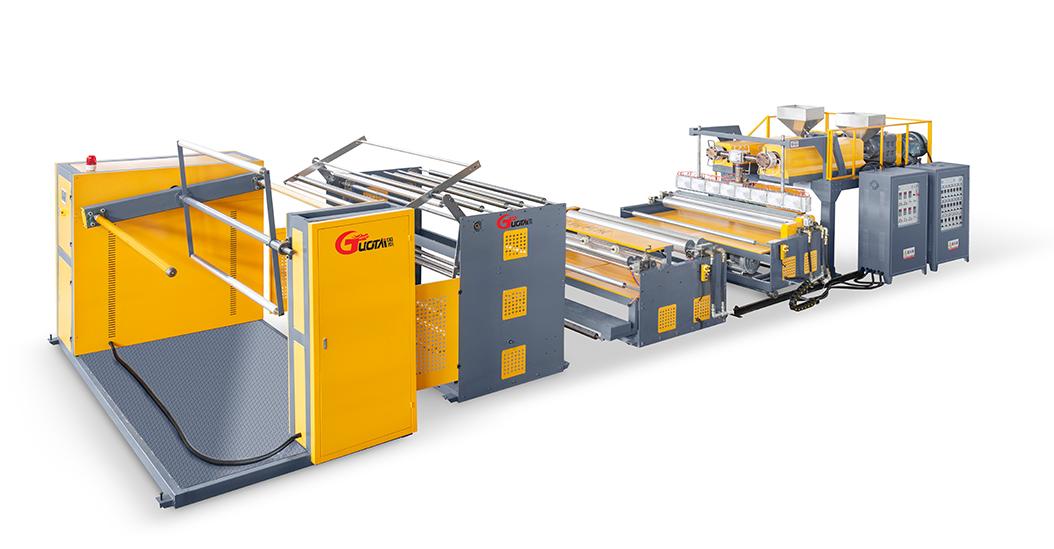
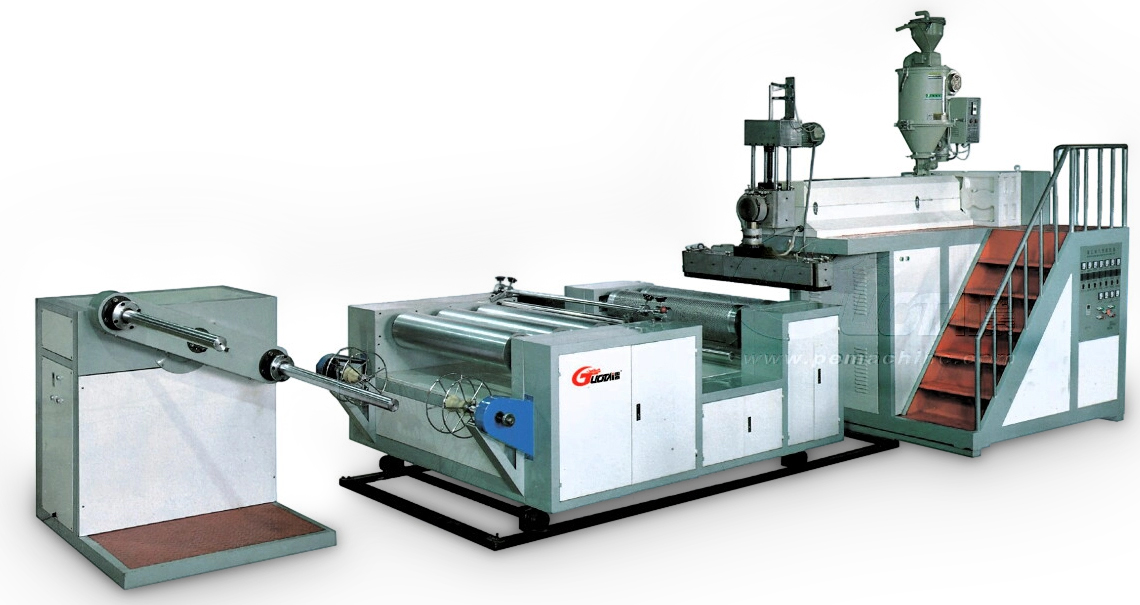
What’s the Biggest Problem in Bubble Film Production? This Machine Solves It
Bubble film is one of the most widely used protective packaging materials in the world. From e-commerce shipments and electronics packaging to furniture protection and industrial transportation, bubble film plays a critical role in preventing product damage.
Many manufacturers face recurring production issues that increase costs, reduce efficiency, and affect customer satisfaction.

The biggest problem in bubble film production is inconsistent bubble quality.
Why Bubble Consistency Matters
Customers buy bubble film because it protects products. Every bubble acts as a cushion that absorbs impact during transportation.
When bubble formation becomes inconsistent, manufacturers may experience:
• Reduced cushioning performance
• Increased product damage rates
• Poor roll appearance
• Customer complaints
• Higher material waste
The Most Common Causes of Bubble Film Defects
1. Unstable Temperature Control: Temperature fluctuations during extrusion can lead to uneven bubble formation, weak bubble structure, and surface defects.
2. Poor Air Distribution :Uneven air supply can create flat bubbles, irregular patterns, and reduced shock absorption performance.
3. Uneven Cooling: Improper cooling may cause bubble distortion, wrinkles, and dimensional instability.
4. Inaccurate Lamination: Poor bonding quality can lead to delamination, air leakage, and reduced insulation performance.
How Modern Bubble Film Machine Solves These Problems
Precision Extrusion Control
Advanced screw designs ensure uniform plasticization and stable melt flow.
Advanced Bubble Forming Technology
Precision bubble rollers maintain consistent bubble dimensions across the film width.
Intelligent Temperature Management
Multi-zone temperature control improves processing stability and product consistency.
Automated Winding Systems
Stable winding tension improves roll quality and reduces deformation.
The Business Impact of Better Bubble Quality
Improved bubble quality provides:
• Lower material waste
• Reduced customer complaints
• Higher production efficiency
• Stronger market competitiveness
Choosing the Right Bubble Film Machine
Important factors include:
• Temperature control accuracy
• Bubble roller precision
• Cooling efficiency
• Lamination performance
• Automation level
• Energy efficiency
• Maintenance requirements
Future Trends in Bubble Film Manufacturing
Manufacturers increasingly seek:
• Higher automation
• Recycled material compatibility
• Energy-saving technologies
• Smart production monitoring
• Multi-layer bubble film solutions
Conclusion
The biggest challenge in bubble film production is not simply producing bubbles.
It is producing uniform, durable, high-performance bubbles consistently and efficiently.
Modern bubble film machines address these challenges through advanced control systems, precision engineering, and intelligent automation, helping manufacturers improve quality, reduce waste, and increase profitability.
For You!