You are shipping delicate glassware to retail stores. Standard bubble wrap provides cushioning, but you worry about punctures and surface scratches. A colleague suggests laminated bubble wrap—but it costs more. Is the extra expense justified?
This is not a simple question of cost versus quality. The choice between laminated and non-laminated bubble wrap depends on your specific products, shipping conditions, and performance requirements.
This guide breaks down the structural differences, performance trade-offs, and application fit for each type—so you can make an informed decision based on your actual packaging needs.
What Is the Difference Between Laminated and Non-Laminated Bubble Wrap?
Understanding the structural difference is the first step to choosing the right material.
Non-Laminated Bubble Wrap: The Standard
Non-laminated bubble wrap—also known as standard bubble film—consists of a single layer of polyethylene film with air-filled bubbles. It is typically made from two polyethylene sheets that are laminated together during production. One sheet is embossed to create the bubble cavities, while the flat sheet seals them.
Key characteristics:
-
Single material construction (polyethylene)
-
Air bubbles provide cushioning and shock absorption
-
Lightweight and flexible
-
Available in various bubble sizes (6–32mm diameter)
-
Transparent or colored options available
Laminated Bubble Wrap: The Enhanced Alternative
Laminated bubble wrap adds one or more additional layers to the standard bubble film structure. These layers are bonded to the bubble film during production, creating a composite material with enhanced properties.
Common lamination materials:
-
Aluminum foil: Provides thermal insulation and radiant heat reflection
-
Kraft paper: Adds tear resistance and a paper-like handling feel
-
EPE foam: Enhances cushioning and scratch protection
-
Metalized PET film: Offers barrier properties and aesthetic appeal
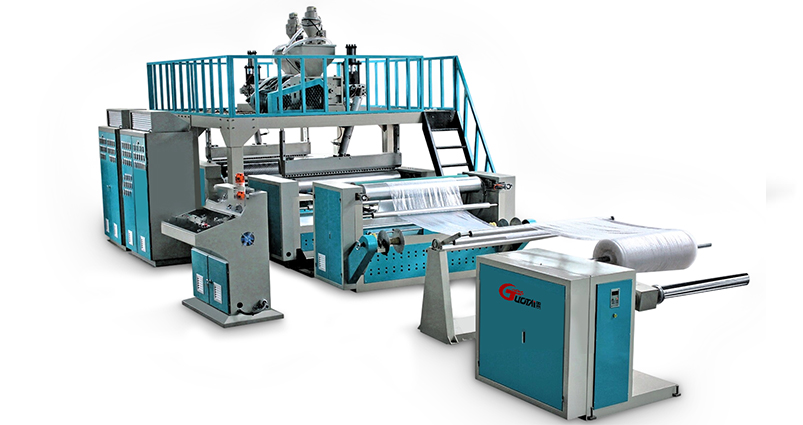
The lamination process can be done in-line during bubble film production, allowing for continuous, efficient manufacturing.
Learn about bubble film production configurations for different lamination capabilities at: https://www.bubble-machine.com/bubble-film-machine
Head-to-Head Comparison: Laminated vs Non-Laminated Bubble Wrap
Physical Protection and Durability
| Property |
Non-Laminated |
Laminated |
| Cushioning |
Good (air bubbles absorb shock) |
Good to excellent (bubbles + additional layer) |
| Tear resistance |
Moderate |
High (kraft paper or foil adds strength) |
| Puncture resistance |
Moderate |
High (laminate layer resists penetration) |
| Scratch prevention |
Moderate (plastic surface can scuff) |
Excellent (paper or foam surface is gentler) |
| Durability over time |
Moderate (bubbles can deflate) |
High (laminate protects bubble structure) |
Barrier and Environmental Protection
| Property |
Non-Laminated |
Laminated |
| Moisture barrier |
Low (polyethylene allows some moisture transfer) |
High (foil or film layer blocks moisture) |
| Thermal insulation |
Low (air bubbles provide minimal insulation) |
High (foil reflects up to 97% of radiant heat) |
| UV protection |
None (unless additives included) |
Available (foil or coated layers block UV) |
| Anti-static properties |
Available as specialty film |
Available (multi-layer construction supports additives) |
Handling and Application
| Property |
Non-Laminated |
Laminated |
| Flexibility |
High |
Moderate to high (depends on laminate) |
| Cut and tape ease |
Easy |
Kraft-backed versions handle like paper |
| Weight |
Light |
Slightly heavier (additional layer) |
| Storage |
Rolls compactly |
Rolls compactly (similar to standard) |
| Cost per unit |
Lower |
Higher (additional materials and processing) |
When to Choose Non-Laminated Bubble Wrap
Non-laminated bubble wrap remains the most widely used protective packaging for good reason. It offers excellent cushioning at a low cost.
Best-Fit Applications
E-commerce and general shipping
Standard bubble wrap is ideal for protecting everyday consumer goods—electronics, glassware, ceramics, and home appliances—during routine shipping. The air bubbles absorb shocks from drops and impacts, reducing product damage rates to below 1%.
Lightweight, non-abrasive items
For products with smooth, non-sensitive surfaces, standard bubble wrap provides sufficient protection without the added cost of lamination. Its transparent nature also allows visual inspection of contents without unwrapping.
High-volume, cost-sensitive operations
When unit cost is the primary concern, and products are not unusually fragile or sensitive, non-laminated bubble wrap offers the best balance of protection and economy.
Recycled material applications
Non-laminated bubble film can be produced with up to 100% recycled LDPE, making it an attractive option for businesses prioritizing sustainability and circular economy initiatives.
When to Choose Laminated Bubble Wrap
Laminated bubble wrap addresses specific challenges that standard bubble wrap cannot solve. The additional layer adds cost but delivers performance benefits that justify the investment in the right applications.
Best-Fit Applications
Temperature-sensitive shipments
Foil-laminated bubble wrap provides thermal insulation for cold chain and food transport. The aluminum foil layer reflects up to 97% of radiant heat, maintaining temperature stability during transit. This makes it ideal for shipping perishable foods, pharmaceuticals, and temperature-sensitive chemicals.
Heavy-duty industrial packaging
For construction materials, automotive parts, and industrial equipment, laminated bubble wrap offers the tear resistance and puncture protection needed to survive rough handling. Kraft paper lamination adds tensile strength, making the material suitable for heavy-duty wrapping and pallet covers.
Delicate surfaces and finished goods
Kraft-laminated or foam-laminated bubble wrap prevents scratches and marks on delicate surfaces like glass, polished metal, and furniture. The paper or foam layer provides a soft contact surface that standard plastic bubble film cannot match.
High-value or sensitive components
For electronics and precision instruments, the multi-layer structure of laminated bubble film can incorporate anti-static properties and superior air retention. This protects against both physical damage and electrostatic discharge (ESD)—a critical requirement for sensitive electronic components.
Insulation and building materials
Double-sided foil-laminated bubble film is used in construction as radiant heat barrier insulation for roofs, walls, and attics. The bubble layer provides thermal break while the foil reflects radiant energy.
The Production Perspective: How Lamination Affects Manufacturing
Understanding how laminated bubble wrap is produced helps clarify why it costs more—and what capabilities your production line needs.
In-Line vs Off-Line Lamination
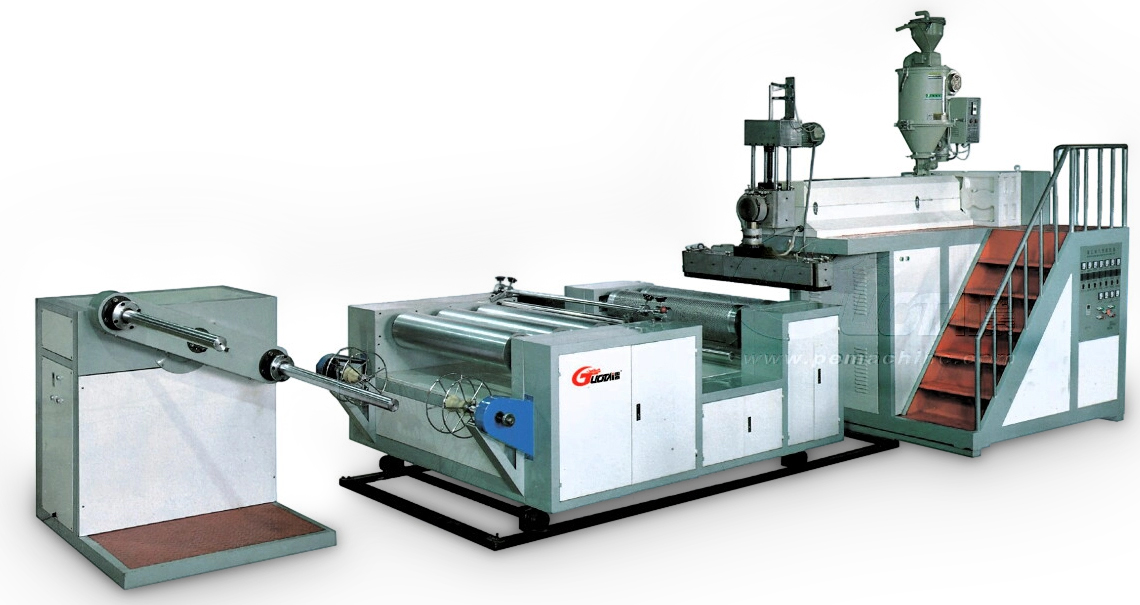
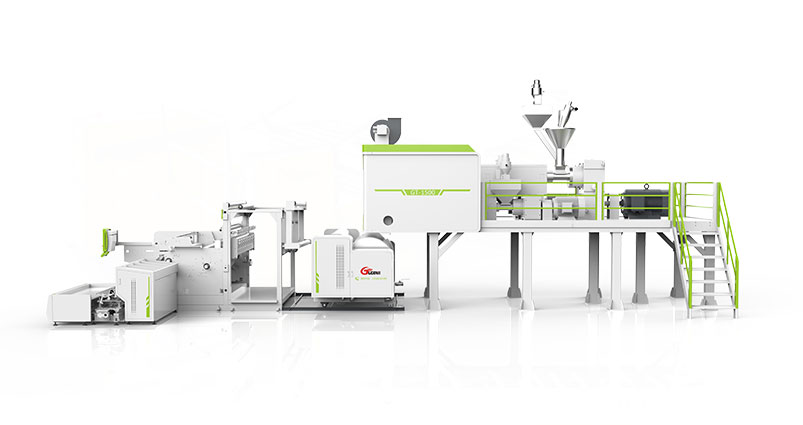
In-line lamination integrates the lamination process directly into the bubble film extrusion line. This allows for continuous production of laminated bubble film in a single pass. In-line systems are more efficient and reduce handling costs.
Off-line lamination involves producing the bubble film first, then laminating it in a separate process. While more flexible, this approach adds time and cost.
Machine Requirements
Producing laminated bubble wrap requires specialized equipment:
-
Multi-layer co-extrusion capability (3-5 layers or more)
-
Online lamination stations for applying foil, paper, or foam
-
Precise temperature control for different materials
-
Advanced automation for consistent quality
Modern bubble film machines with 3-5 layer co-extrusion capability can produce laminated bubble film with aluminum foil, kraft paper, or EPE foam. The 7-layer high barrier lines offer even more flexibility, including anti-static properties.
Learn how different blown film systems accommodate lamination capabilities at→
Step-by-Step: How to Choose Between Laminated and Non-Laminated Bubble Wrap
Work through these five steps to determine the right packaging for your specific needs.
Step 1: Assess Your Product's Vulnerability
| Vulnerability |
Recommended Type |
| Fragile but surface-hardy (ceramics, basic electronics) |
Non-laminated |
| Fragile with delicate surfaces (glassware, polished finishes) |
Laminated (kraft or foam) |
| Temperature-sensitive (food, pharmaceuticals) |
Laminated (foil) |
| Heavy or sharp-edged (metal parts, tools) |
Laminated (kraft or EPE) |
| Static-sensitive (circuit boards, components) |
Laminated (anti-static) |
Step 2: Evaluate Your Shipping Environment
-
Short transit, climate-controlled: Non-laminated is usually sufficient
-
Long transit, varied temperatures: Laminated provides thermal protection
-
Rough handling or stacking: Laminated offers superior tear and puncture resistance
-
High humidity or moisture risk: Foil-laminated provides moisture barrier
Step 3: Consider Your Customer's Unpacking Experience
Laminated bubble wrap with kraft paper or foil presents a more professional appearance. For high-end products or retail packaging, the enhanced presentation may justify the additional cost.
Step 4: Calculate Total Cost of Ownership
| Cost Factor |
Non-Laminated |
Laminated |
| Material cost per unit |
Lower |
Higher |
| Damage rate |
Standard |
Reduced |
| Returns and replacements |
Higher risk |
Lower risk |
| Customer satisfaction |
Standard |
Enhanced |
| Regulatory compliance |
Standard |
Required for some applications |
Step 5: Verify Material Compatibility
If you are shipping products with specific regulatory requirements—such as food contact or medical devices—verify that your chosen bubble wrap meets the necessary standards. Laminated films can be engineered to meet stricter requirements than standard bubble wrap.
Next Steps: From Comparison to Selection
Neither laminated nor non-laminated bubble wrap is universally "better." The right choice depends on your specific products, shipping conditions, and performance requirements.
Choose non-laminated bubble wrap if:
-
You are shipping standard consumer goods in moderate conditions
-
Cost efficiency is your primary concern
-
Your products are not unusually fragile or surface-sensitive
-
You do not require thermal insulation or moisture barrier properties
Choose laminated bubble wrap if:
-
You are shipping temperature-sensitive products (food, pharmaceuticals)
-
Your products have delicate surfaces that scratch easily
-
You need tear resistance for heavy or sharp-edged items
-
You require barrier properties (moisture, UV, anti-static)
-
You are targeting high-value or premium markets
The global protective packaging market continues to grow, with demand for specialized, high-performance materials expanding faster than standard options. Positioning your packaging strategy to match your product's actual protection requirements—not just the lowest cost option—reduces damage, improves customer satisfaction, and can lower total cost of ownership.
Once you have clarified your product requirements, shipping conditions, and performance needs, comparing the specific specifications of available bubble wrap options becomes the next logical step. You can review standard bubble film configurations for high-volume production, or explore laminated bubble film lines for specialized, premium applications.
Learn more about bubble film production options for different packaging requirements at→
Related Reading
-
2-Layer or 7-Layer Bubble Wrap Extrusion Line?
-
Recycled Material Compatible Bubble Machine?
-
Chain Food Packaging with Bubble Foil
-
Anti-Static Bubble Film for Electronics
-
Bubble Wrap vs Foam Packaging for Electronics Shipping


 English
 Français
 Español