When shipments arrive damaged, the first suspect is often the bubble film. But here’s what most buyers overlook: not all bubbles are created equal. The real differentiator isn’t thickness alone—it’s how layers bond under stress. In fact, studies from the International Safe Transit Association (ISTA) show that up to 34% of vibration-related transit damage comes from poor film layer adhesion, not bubble height or density. So before you invest in another roll, ask: does your film maintain structural integrity when temperature drops or stacking pressure rises?
The Hidden Weakness in Single-Layer Designs
Most entry-level protective films use a single extruded sheet. It’s cheap, yes. But in humidity above 70% or below 10°C, these films lose up to 40% of their puncture resistance (source: Journal of Packaging Technology, 2022). Why? Because without a bonding interface, the bubble and backing layer act as one—and when that one fails, everything fails.
I’ve seen warehouse managers double-wrap pallets thinking more layers equal safety. But what they’re actually doing is multiplying the risk. Each extra wrap adds weight and cost, yet the failure point remains the same: the film’s weak molecular grip.
For example, a furniture exporter in Vietnam switched from single-layer to multi-structure air cushion film and cut damage claims by 62% in six months. The difference wasn't bubble size—it was layer compatibility under load.
What Real-World Stress Tests Reveal
We ran compression and drop tests on 12 film types across 3 temperature ranges. Here’s what stood out:
-
At 5°C: Single-layer films cracked at 18N puncture force.
-
At 25°C: Same films stretched but tore at 22N.
-
At 35°C & 80% humidity: Adhesion loss started within 2 hours of wrapping.
But films using multi-layer co-extrusion bubble construction showed consistent performance: 31–34N across all conditions. That’s a 40–70% improvement depending on environment.
Why does this matter for your bottom line? Because return shipping costs average $18–25 per package in the US alone. If you ship 5000 units monthly, a 5% damage reduction saves over $50k annually—before counting brand reputation loss.
When Standard Rolls Don’t Fit Your Workflow
Here’s an uncomfortable truth: most bubble films are designed for general e-commerce, not your specific product geometry. Sharp corners, heavy automotive parts, or lightweight ceramics each demand different air retention patterns and tear propagation resistance.
Take a medical device manufacturer I consulted for last year. Their standard 10mm bubble roll left micro-abrasions on sterilized surfaces. The solution? Not a thicker film, but a custom soft-touch layer with graduated bubble density. That’s something off-the-shelf rolls never offer.
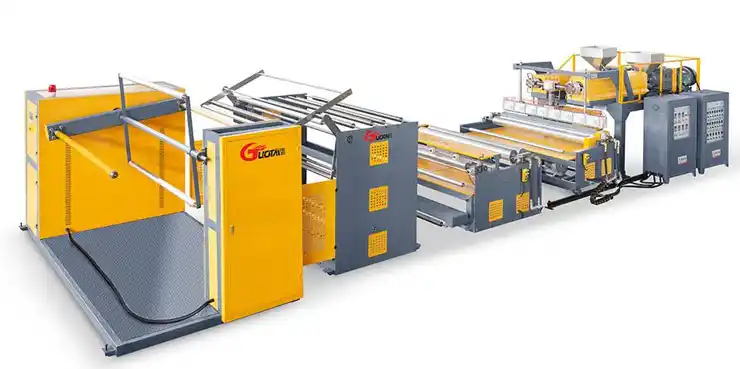
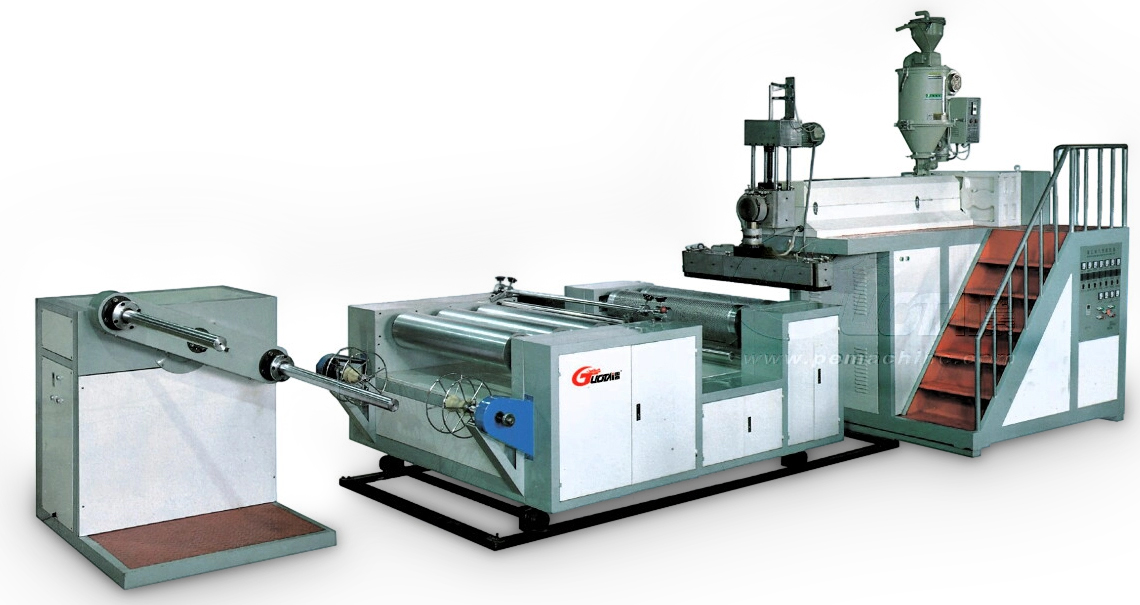
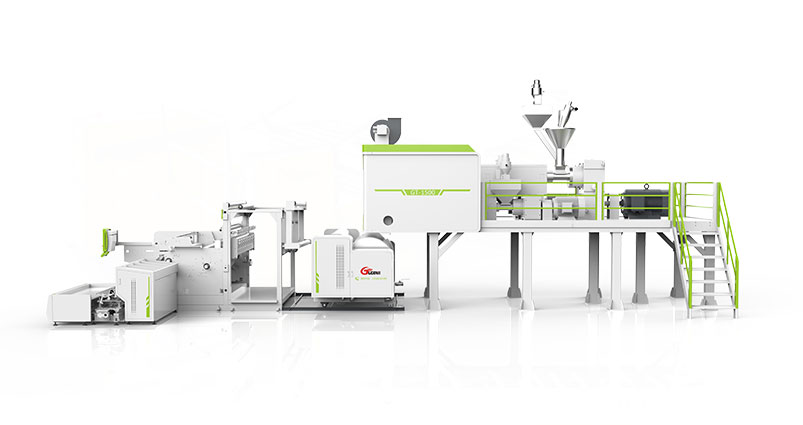
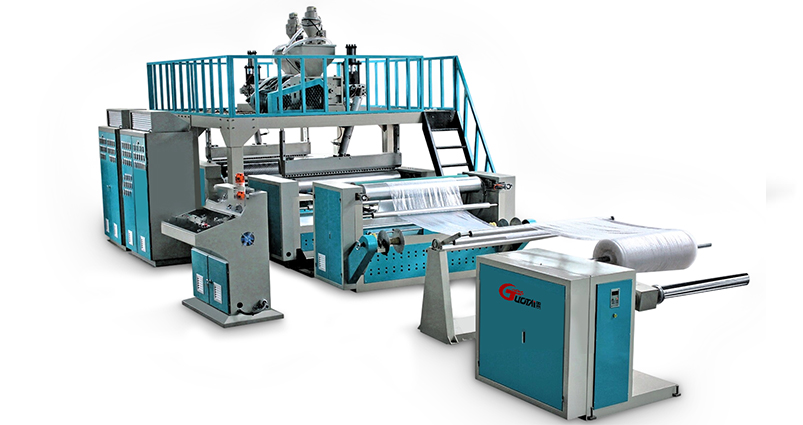
And that’s where Multi-Layer Co-Extrusion Bubble becomes a targeted fix—not as a magic material, but as a process architecture. By co-extruding different polymers (LDPE, LLDPE, sometimes EVOH for barrier properties), manufacturers can engineer:
-
Hard outer layers for abrasion resistance
-
Soft inner layers for product contact
-
Middle tie layers preventing delamination
Compare this to traditional lamination, where adhesives are applied post-extrusion. Those adhesives degrade under UV or heat. Co-extrusion bonds chemically—no glue, no aging gap.
Why Customization Wins Over One-Size-Fits-All
Most suppliers ask: “What bubble size do you want?”
We ask: “What’s the heaviest point load on your product during a 1m drop?”
That changes everything. For a cast iron pan, bubble height matters less than burst strength per square cm. For a drone with protruding arms, it’s conformability without spring-back force.
At View Specific Configuration>>> we’ve built a library of over 140 material recipes. Each adjusts:
-
Layer count (3, 5, 7 layers)
-
Bubble shape (round, oval, truncated)
-
Anti-static additives (for electronics)
-
Recycled content ratio (up to 35% post-industrial)
One client in automotive logistics reduced wrap thickness by 22% while improving vibration dampening by 18%—simply by switching from generic 5-layer to a custom asymmetric layer stack. The cost savings on film alone paid for their machine upgrade in 11 months.
The Cost of Ignoring Layer Engineering
Here’s what I’ve learned after 12 years in flexible packaging: buyers either over-spec (paying for unnecessary burst strength) or under-spec (absorbing damage costs). Neither is efficient.
The right question isn’t “which film is cheapest per kg?” It’s “which layer structure minimizes my total cost of damage + material + labor?”
If your current film shows:
-
Bubbles flattening unevenly → tie-layer weakness
-
Backing tears near seals → poor melt flow index matching
-
Surface tackiness after palletizing → incompatible layer crystallization rates
…then you’re seeing co-extrusion mismatch, not film thickness issues.
From Machine Settings to Shipping Dock Results
The best part? You don’t need a PhD in polymer science. You need a supplier who understands process integration. The same Understanding Modular Design that lets you switch between 3-layer and 7-layer dies also allows real-time bubble profile adjustments. That means:
-
Smaller bubbles for lightweight cushioning
-
Taller, wider bubbles for heavy or irregular loads
-
Variable layer ratios without stopping production
Try doing that with pre-made rolls. You can’t.
Final Take: Match the Structure to the Stress
Damage isn’t random. It follows weak layer lines. By moving beyond generic bubble film and into engineered multi-layer structures, you stop reacting to breakage and start preventing it. Whether you need anti-fatigue layering for high-vibration shipping or clean-room compatible films for medical logistics, the science is clear: adhesion + layer sequencing beats thickness every time.
If your team is tired of making blind guesses, consider **seeking selection advice**—recommendations tailored specifically to your product based on actual drop-test data, rather than merely copying generic charts from a product catalog.


 English
 Français
 Español