A general contractor in Texas once showed me a storage unit he’d insulated with 15cm of fiberglass. “Why is it still 40°C in here?” he asked. We stood under a metal roof on a July afternoon. The answer wasn’t more fiberglass. It was the radiant heat coming off that roof surface—something fiberglass barely slows down.
That’s where insulation bubble lamination enters construction projects. Not as a standalone solution, but as a radiant barrier layer that traditional mass insulation can’t replace. This material combines sealed air bubbles with aluminum faces to fight both conducted and radiant heat transfer.
What Exactly Is Insulation Bubble Lamination?
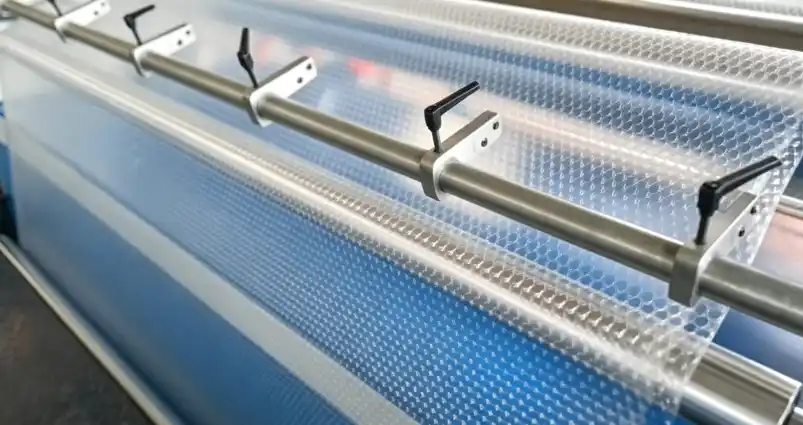
Let me be specific. Insulation bubble lamination consists of one or more layers of polyethylene air bubbles sandwiched between aluminum foil facings. The bubbles are typically 5mm to 15mm in height. The foil is usually pure aluminum or aluminized PET, with emissivity ratings of 0.03 to 0.05.
Common construction grades:
| Type |
Layers |
Foil Faces |
Typical Use |
| Single bubble |
1 |
1 or 2 |
Crawl spaces, under flooring |
| Double bubble |
2 |
1 or 2 |
Metal roofs, pole barn walls |
| Triple bubble |
3 |
2 |
Industrial buildings, high moisture zones |
The key difference from bubble wrap you’d find in packaging? Construction-grade uses UV-stabilized polyethylene and corrosion-resistant aluminum (thicker gauge, typically 7-12 microns vs 3-5 microns for packaging). Standard bubble wrap degrades in sunlight within months. Construction lamination is designed for enclosed building cavities.
How It Works: Conduction + Radiation = Total Thermal Performance
Most builders understand conduction—heat moving through solid material. But in a metal building, up to 75% of summer heat gain comes from radiation, according to Oak Ridge National Laboratory studies.
Here’s the physics:
Bubbles handle conduction. Trapped air has thermal conductivity of 0.026 W/m·K—about 50x lower than steel. But the bubbles only work if they remain sealed and uncompressed. Once crushed flat, they become a solid plastic sheet with almost no insulation value.
Aluminum handles radiation. With emissivity of 0.03 to 0.05, the foil reflects 95-97% of radiant energy back toward its source. However, this only works when the foil faces an air gap. Press it against another material, and that reflective property disappears—conduction takes over.
A roofing contractor in Florida learned this the hard way. He stapled bubble lamination directly to his purlins, then screwed metal decking on top. No air gap. Result: the foil touched purlins and conducted heat straight through. He removed everything and re-installed with 2cm spacer blocks. Temperature difference after the fix: 8°C lower at peak afternoon.
Where Construction Teams Actually Install This Material
From job site visits across climate zones, here are the four most effective construction applications:
Metal Building Roofs (Most Common)
Install bubble lamination directly under the roof panels with a 2-3cm air gap. The foil faces downward (toward the interior in summer). This creates a reflective cavity: heat radiates from the hot metal, hits the foil, and reflects back up. A dairy barn in Wisconsin dropped peak summer attic temperatures 12°C after this installation.
Pole Barn Walls
Steel siding transfers outdoor temperatures directly through fasteners to interior framing. Staple double-bubble lamination across the girts before installing interior liner panels. The bubbles act as a thermal break at every fastener point—something continuous foam board cannot do without extra labor.
Crawl Spaces and Basements
Concrete wicks moisture and conducts ground temperatures. A single-bubble lamination under the flooring provides:
-
Vapor retarder (ASTM E96: <0.1 perms for solid foil)
-
Thermal break (R-1 to R-2 depending on air space)
-
Compression resistance (bubbles deform under load but recover)
Important: In humid climates, use perforated bubble lamination (>5 perms) to allow slab drying. Unperforated foil can trap moisture against concrete, leading to mold or efflorescence.
Post-Frame Agricultural Buildings
Grain bins, equipment sheds, and riding arenas all share a problem: large temperature swings cause condensation on steel surfaces. Bubble lamination installed 2cm below the steel creates a dew point break—warm interior air never reaches the cold metal surface. One equestrian facility eliminated roof dripping entirely after adding this layer.
R-Value Truth: What Builders Need to Know
Here’s where the industry gets deceptive. Some suppliers claim R-15 for 5mm bubble sheet. That’s physically impossible. Let me give you actual ASTM C518 tested values:
| Product |
Tested R-Value (alone) |
Tested R-Value (with air gap) |
| Single bubble, one foil |
R-1.1 to R-1.3 |
R-2.5 to R-3.0 |
| Double bubble, one foil |
R-1.5 to R-1.8 |
R-3.0 to R-3.8 |
| Double bubble, two foils |
R-1.8 to R-2.2 |
R-3.5 to R-5.0 |
The “with air gap” column is what matters. Without an air gap, the reflective surface contacts another material and conducts heat directly—you lose 60-70% of the potential performance.
A builder in Nevada showed me a supplier’s brochure claiming R-8 for double-bubble. “That can’t be real, right?” he asked. Correct. The supplier was reporting “equivalent R-value” for an assembly including insulation on both sides. Always ask for ASTM C518 test reports. If they can’t provide them, find another supplier.
Code Compliance and Testing Standards
Before specifying insulation bubble lamination for permitted construction, verify these standards:
| Standard |
What It Tests |
Typical Requirement |
| ASTM C518 |
Thermal transmittance (R-value) |
The supplier must provide |
| ASTM E96 |
Water vapor transmission |
Match climate zone |
| ASTM E84 |
Surface burning characteristics |
Class A (flame spread ≤25) |
| NFPA 285 |
Exterior wall assembly fire test |
For commercial above 12m |
I’ve seen projects fail final inspection because the bubble lamination lacked an ASTM E84 Class A rating. The contractor had to remove and replace 250 square meters—a $6,000 mistake. Check the test documentation before you buy, not after.
Installation Best Practices from the Field
After watching dozens of crews install this material, here’s what separates good work from failed assemblies:
Always maintain the air gap. Use wood furring strips (20x50mm) or plastic spacer clips. Without spacers, the foil contacts the adjacent surface, and the radiant benefit disappears.
Overlap seams by a minimum of 10 cm. Radiant heat finds gaps. Use reflective aluminum tape (not duct tape) to seal overlaps and edges.
Face the foil correctly. In summer cooling climates (hot roofs), foil faces inward/downward. In winter heating climates (cold roofs), foil faces outward/upward. For mixed climates with both seasons? Install a double-foil bubble with air gaps on both sides.
Avoid crushing the bubbles. Compressed bubbles lose conduction resistance. Don’t sandwich bubble lamination directly between two rigid materials without space. Use it as a cavity fill, not a compression layer.
Staple correctly. Staple through the sealed edges (the flat margin between bubble rows), not through bubble centers. Stapling through bubbles deflates them and creates air leaks.
Cost vs Performance: Where It Makes Financial Sense
I’ve crunched numbers on about 40 construction projects using bubble lamination. Here’s when it pencils out:
| Application |
Payback Period |
Primary Benefit |
| Metal roof retrofit (summer cooling) |
2-3 years |
Reduced AC load |
| Pole barn walls |
3-4 years |
Condensation elimination |
| Crawl space (conditioned) |
2-5 years |
Lower heating/cooling loss |
| Agricultural building |
1-2 years |
Prevented feed spoilage |
The material itself typically costs 0.40to0.40to1.20 per square foot, depending on layer count and foil quality. Installation labor is low—roll it out and staple. Compared to cutting foam board around framing, crews often finish 2-3 times faster.
One contractor in Oklahoma told me he switched from rigid foam to double-bubble lamination for metal building roofs. Material cost was similar. But his labor dropped from two days to six hours per building. That’s $2,400 saved annually across his projects.
Common Misapplications (What This Material Won’t Do)
Let me be direct about limitations. Insulation bubble lamination is not a replacement for mass insulation in most assemblies:
It won’t fix an unventilated roof cavity. You still need airflow between the insulation and roof deck to remove accumulated heat. Bubble lamination manages radiation but doesn’t vent.
It won’t provide a structural R-value for energy codes. If your local code requires R-20 in walls, bubble lamination alone won’t meet it. Use it as a supplement—foil-faced bubble plus fiberglass.
It won’t stop air leakage. Air moves through overlaps, staple holes, and unsealed edges. Bubble lamination is not an air barrier unless fully taped at all seams.
It degrades under UV. Never leave construction-grade bubble lamination exposed to sunlight. Cover it within 60 days of installation. Some cheap products fail in 30 days.
Selecting the Right Product for Your Project
When comparing suppliers, ask four questions:
What’s the foil thickness? 7 microns minimum for construction. Thinner foils tear during installation and corrode faster in humid environments.
What’s the bubble burst strength? ISO 4590 test. Look for >80 kPa for double-bubble. Weak bubbles collapse under wind pressure or stack loads.
Is the material perforated or solid? Perforated (by pin points) allows vapor transmission. Solid (continuous foil) is a vapor barrier. Choose based on your climate zone and wall assembly.
Do you have ASTM E84 documentation? If yes, check the flame spread and smoke developed numbers. If no, assume it’s not code-compliant.
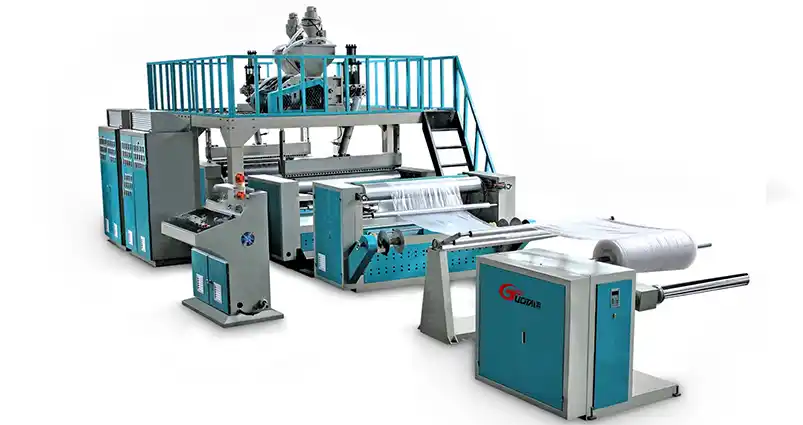
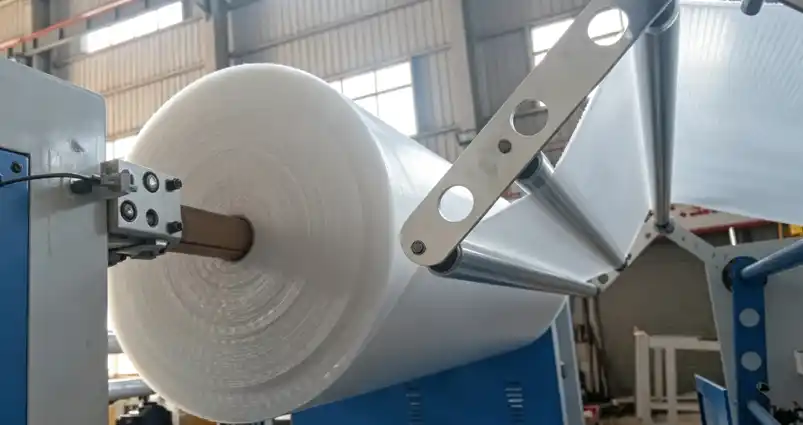
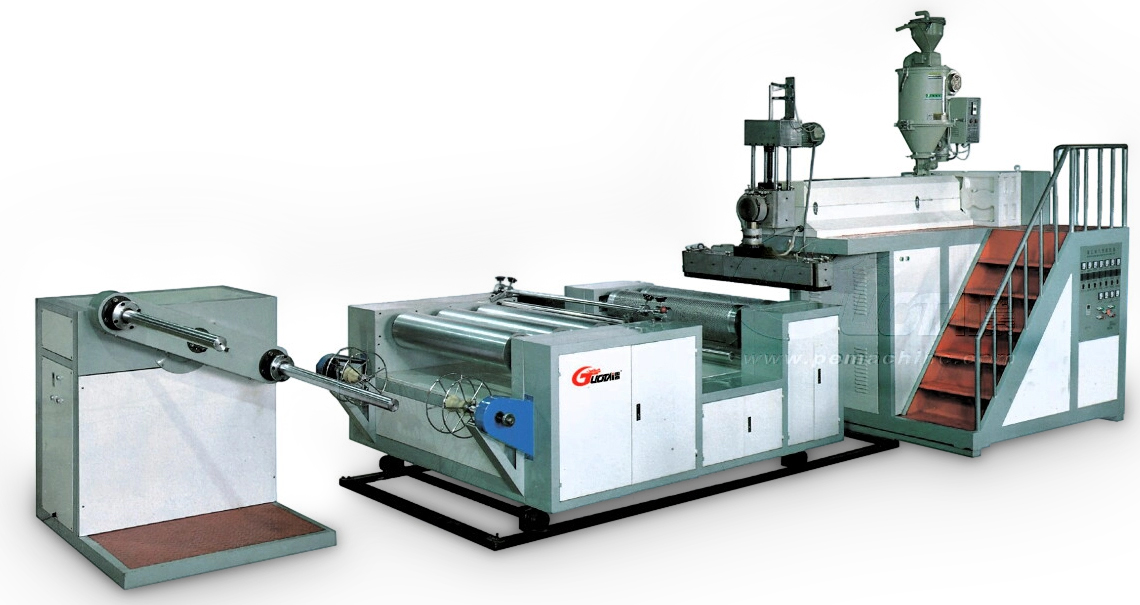
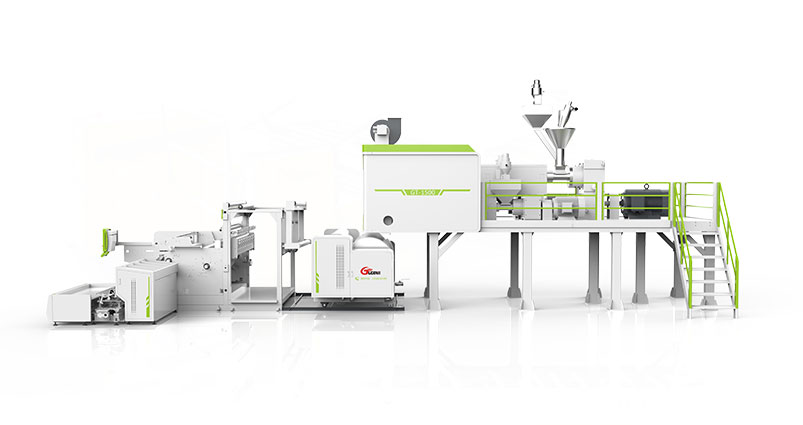
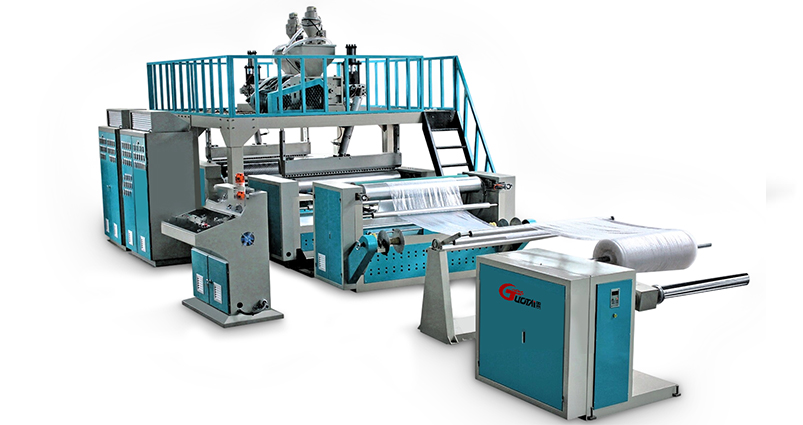
If you’re producing your own laminated rolls for construction projects, check detailed specifications for equipment that handles varying bubble heights and foil-laminating stations.
Real Project: Emergency Shelter Roof Retrofit
A disaster relief organization needed to cool a 300-square-meter warehouse in Puerto Rico used for medical supply storage. The metal roof had no existing insulation. The budget was tight. Adding air conditioning wasn’t feasible.
Solution: double-bubble lamination with two foil faces, installed 3cm below the existing roof deck using furring strips and self-tapping screws. Total material cost: $1,200. Labor: three person-days.
Before installation: interior peak temperature 46°C. After installation: peak 34°C. No AC added. The organization measured a 68% reduction in heat-related spoilage of temperature-sensitive medicines.
The Bottom Line for Construction Specifiers
Insulation bubble lamination serves a specific role in building envelopes: it stops radiant heat transfer when installed with proper air gaps. It prevents condensation on steel surfaces. It simplifies installation on irregular framing.
But it’s not magic. It won’t deliver R-10 in a 5mm thickness. It won’t work without air gaps. It won’t pass inspection without proper fire ratings.
Use it as part of a hybrid system: mass insulation for conduction control plus bubble lamination for radiation reflection. That combination outperforms either material alone.
For construction teams that want to understand production options for custom laminated rolls, review equipment configurations to match your project volume and layer requirements.



 English
 Français
 Español