Key Factors That Determine the Performance of a Bubble Film Making Machine

2025.12.12
Site Editor:

As the demand for protective packaging continues to grow, Plastic bubble film machines have become essential equipment in many factories. Buyers often compare multiple models before making a decision, focusing on performance, cost efficiency, and the machine's ability to maintain product quality. Here are the performance indicators customers pay close attention to.
 

1. Extrusion System Stability

The extrusion unit is the heart of the bubble film machine. Customers expect a screw and barrel design that offers strong melting capacity, low temperature fluctuation, and stable output. A well-designed extrusion system prevents bubble leakage, thin spots, and inconsistent film thickness.
 

2. Quality of Multi-Layer Co-Extrusion

Manufacturers needing stronger cushioning materials often look for multi-layer bubble film machines. Multi-layer co-extrusion technology improves durability, puncture resistance, and overall film strength. Buyers also care about how easy it is to fine-tune each layer's thickness during production.
 

3. Precision of Temperature Control

Temperature changes directly affect bubble formation. Customers want machines with multiple heating zones, high-precision sensors, and advanced PID temperature control. Stable heating ensures smoother extrusion and reduces defective film rolls.
 

4. Reliability of the Air System

The quality of the bubble depends heavily on the air-charging system. A stable air pump, accurate air valves, and a well-balanced air-channel design help produce fully inflated and uniform bubbles. Customers also check whether the machine can keep pressure stable during high-speed production.
 

5. Automation and Digital Monitoring

Modern factories increasingly rely on digitalization. Buyers value machines equipped with PLC control, touch-screen interfaces, automatic roll change, automatic cutting, and integrated trim recycling. Real-time monitoring helps operators detect issues early and improve overall productivity.
 

6. Total Cost of Ownership

Beyond the selling price, buyers evaluate the long-term cost: energy usage, maintenance frequency, spare part replacement, and downtime. Machines built with durable components and energy-saving heaters significantly reduce operational expenses.
 

Conclusion

A bubble film machine's performance depends on its extrusion system, air system stability, precise temperature control, and automation capability. Choosing a machine that maintains consistent film quality and minimizes production costs allows manufacturers to remain competitive in a fast-growing packaging market.


Related Products
PE Bubble Film Machine
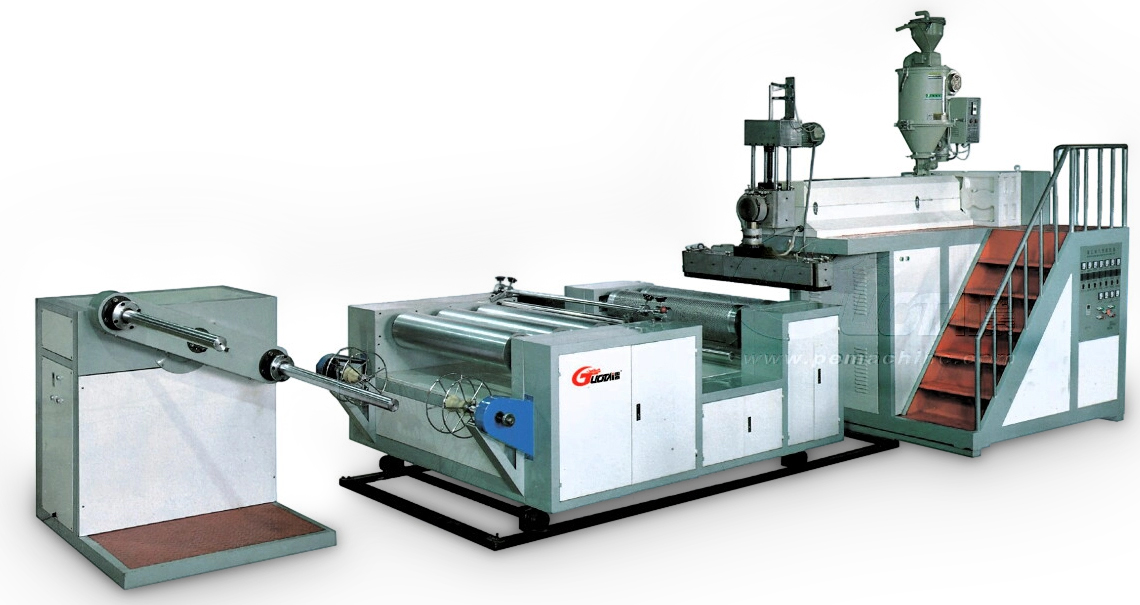
2-Layer High Speed Bubble Film Machine
Guotai’s PE Bubble Film Machine is engineered for high-performance polyethylene film production, integrating multi-layer co-extrusion technology to deliver 1100 meters per hour output. Designed specifically for standard and composite bubble film, this CE-certified extruder reduces energy consumption by 30% compared to conventional models, while ensuring precise bubble formation (6-30mm diameter) for packaging applications in food, electronics, and logistics industries.
upload/1c/202503/index-10-0906.jpg
Stretch Film Roll Machine
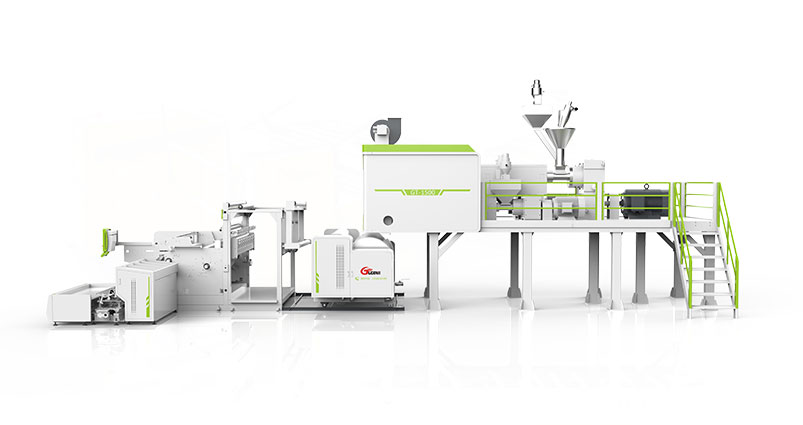
Guotai Machinery introduces the GT-1500 Triple Extrusion Polyethylene Stretch Film and Cling Film Manufacturing Machine, a testament to our innovation and commitment to quality. This state-of-the-art machine, certified by CE, is designed to produce both stretch film and...
Plastic Bubble film Machine
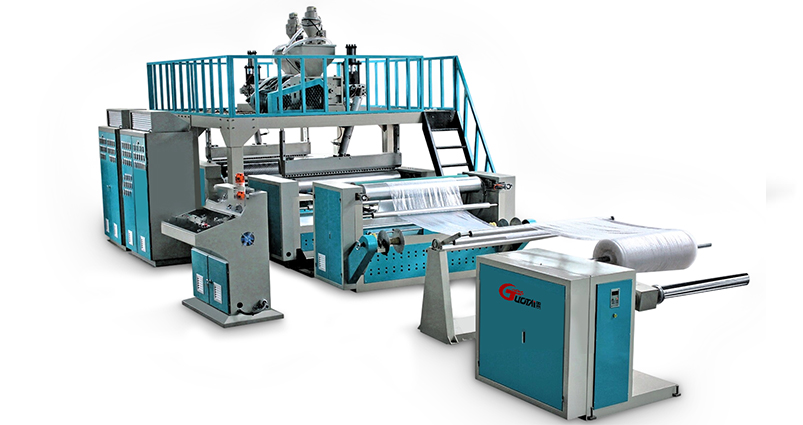
3-5 Layer Laminated Bubble Film Machine
Guotai’s Plastic Bubble Film Machine series (GT-1500 to GT-3000) is engineered for versatile polyethylene film manufacturing, supporting LDPE/LLDPE raw materials and producing 0.03-0.2mm thick bubble film with widths up to 3000mm. Equipped with high-precision composite rollers and intelligent temperature control, this machine reduces material waste by 15% while ensuring continuous 24-hour operation—ideal for packaging applications in e-commerce, electronics, and furniture industries. Its environmentally friendly process (zero harmful emissions) complies with EU environmental standards, balancing high productivity (450kg/h max output) with sustainable production.

GET A QUOTE

Talk to Our Expert

Talk to Our Expert.
Captcha Code
GET IN TOUCH NOW
Captcha Code
We value your privacy
We use cookies to provide you with a better online experience, analyse and measure website usage, and assist in our marketing efforts.
Accept All