How to Set the Temperature of a Blown Film Machine: A Practical Guide
Temperature setting is one of the most critical factors in blown film machine. Incorrect temperature control can cause unstable extrusion, poor film quality, material degradation, and low production efficiency. Proper temperature settings are essential for stable production and consistent film quality.
Basic Principles of Blown Film Temperature Setting
Before adjusting the temperature, the following basic rules should be followed:
1. Temperature should gradually increase from the hopper to the die.
2. The front zones should never be cooler than the rear zones.
3. Different materials require different temperature ranges.
4. Temperature must be adjusted together with screw speed, air volume, and blow-up ratio.
Typical Temperature Zones in a Blown Film Machine
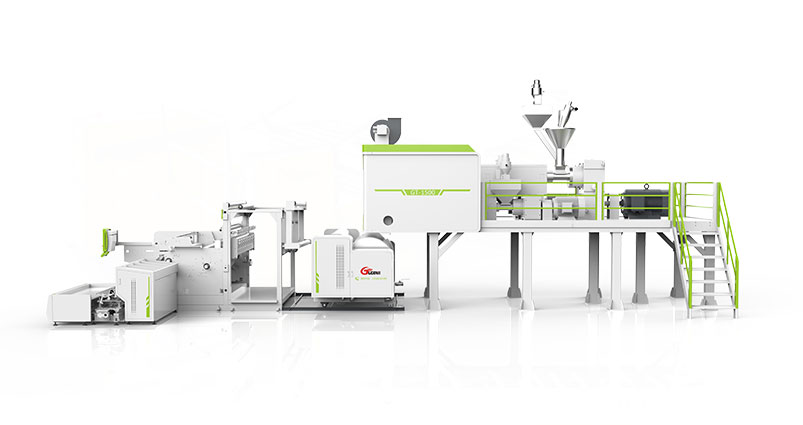
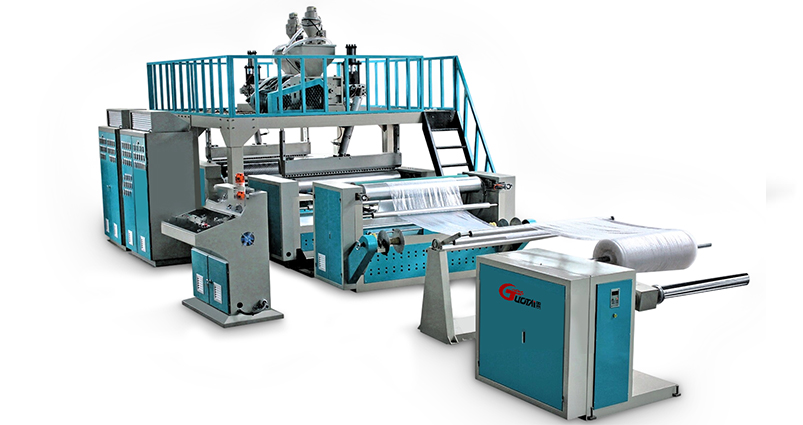
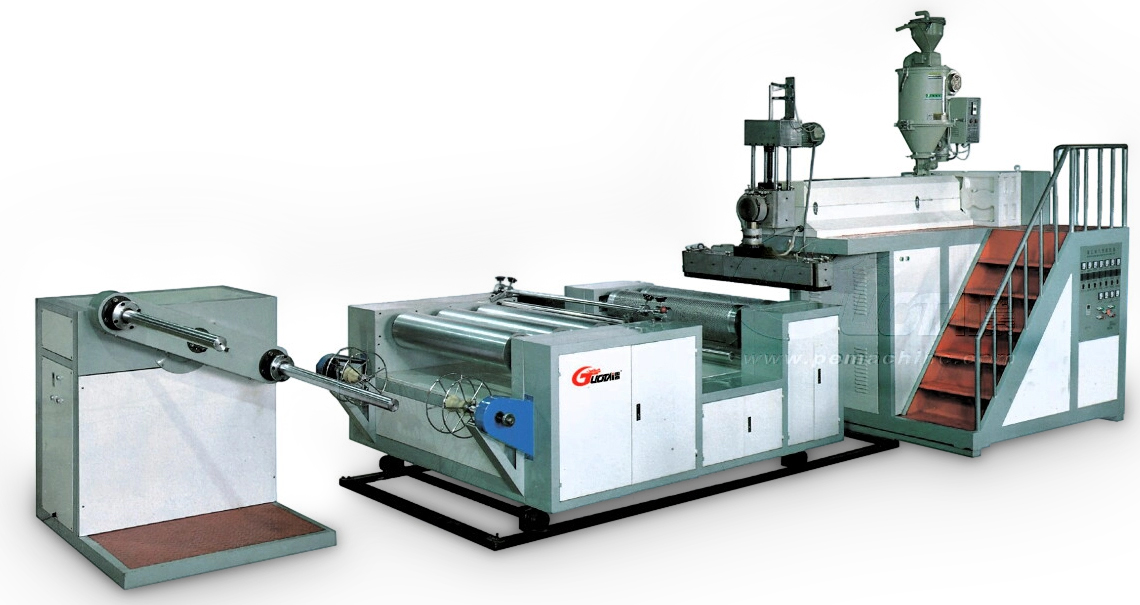
A standard blown film extrusion line usually includes the following heating zones:
- Hopper zone
- Screw rear zone
- Screw middle zone
- Screw front zone
- Die head
- Die lips
Each zone plays an important role in melting, plasticizing, and stabilizing the melt flow.
Recommended Temperature Settings for Common Materials
LDPE (Low Density Polyethylene – High Pressure Material)
Characteristics: Soft, good transparency, easy melt flow
Hopper zone: 140 – 150 °C
Screw rear zone: 150 – 160 °C
Screw middle zone: 160 – 170 °C
Screw front zone: 170 – 180 °C
Die head: 180 – 190 °C
Die lips: 185 – 195 °C
HDPE (High Density Polyethylene – Low Pressure Material)
Characteristics: High stiffness, fast crystallization
Hopper zone: 150 – 160 °C
Screw rear zone: 160 – 170 °C
Screw middle zone: 170 – 180 °C
Screw front zone: 180 – 190 °C
Die head: 190 – 200 °C
Die lips: 195 – 205 °C
LLDPE (Linear Low Density Polyethylene)
Characteristics: High toughness and tensile strength
Hopper zone: 150 – 160 °C
Screw rear zone: 160 – 170 °C
Screw middle zone: 170 – 180 °C
Screw front zone: 180 – 190 °C
Die head: 185 – 195 °C
Die lips: 190 – 200 °C
Common Problems Caused by Incorrect Temperature Settings
Temperature Too Low
- Poor plasticization
- Unstable extrusion output
- Rough surface or unmelted particles
- Film thickness inconsistency
Temperature Too High
- Material degradation
- Yellowing or burning smell
- Reduced mechanical strength
- Excessive die drool
Many blown film defects are caused by incorrect temperature profiles rather than raw material quality.
Practical Tips for Adjusting Blown Film Temperature
- Increase temperature gradually, not all at once.
- Allow 15–30 minutes for stabilization after each adjustment.
- Reset the temperature profile when changing raw materials.
- Observe melt flow, bubble stability, and film appearance continuously.
- Always coordinate temperature adjustments with screw speed and cooling air.
Conclusion
Temperature control is the foundation of stable blown film production. A well-optimized temperature profile improves film quality, reduces waste, and ensures smooth downstream processing.
Stable blown film extrusion always starts with correct temperature settings.
For You!