Why Is the Film Bubble Shaking Like Crazy in Film Blowing Production?
Introduction
In blown film production, one of the most common problems operators encounter is an unstable film bubble. Sometimes the bubble swings from side to side, vibrates continuously, or even collapses during production. This issue not only affects film quality but also reduces production efficiency and increases material waste.
The answer usually involves machine stability, air control, cooling performance, and process settings.

What Is a Film Bubble in Blown Film Production?
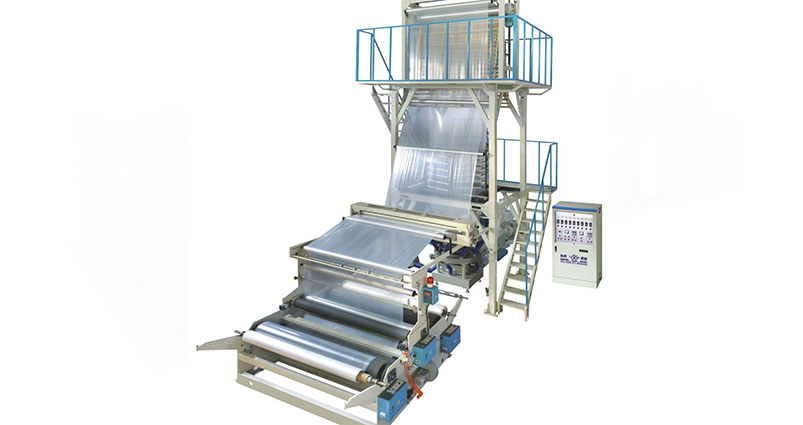
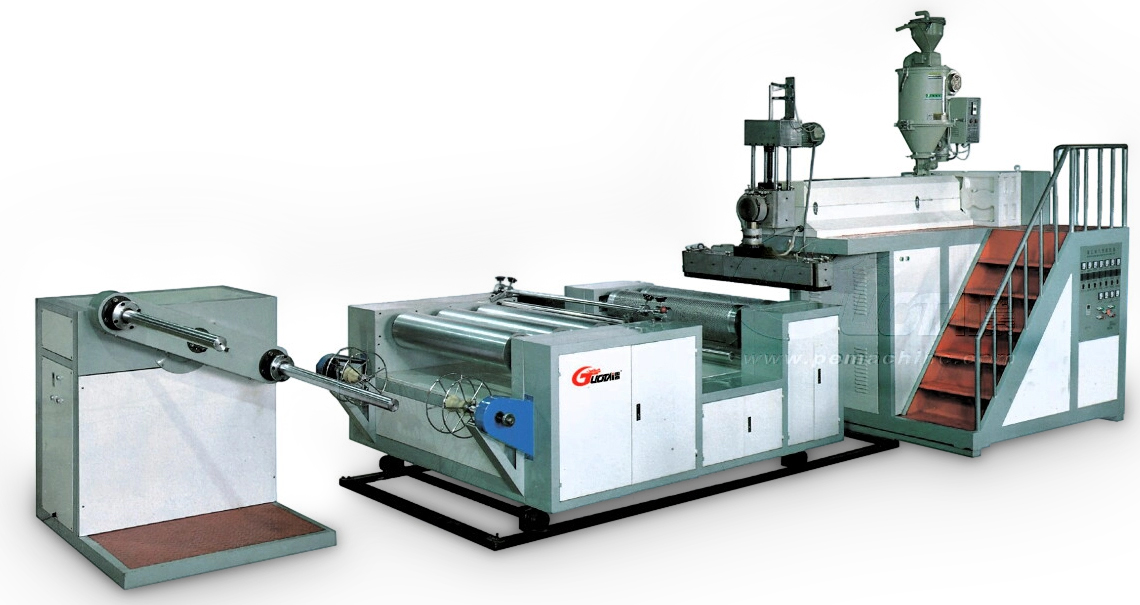
In a blown film machine, plastic material is melted inside the extruder and pushed through a circular die head. Air is introduced into the center of the tube, inflating the molten plastic into a bubble shape.
A stable bubble helps achieve more uniform film thickness, improved transparency, better winding performance, and higher production efficiency.
Poor Air Ring Design Can Cause Bubble Instability
The air ring plays a critical role in cooling and stabilizing the bubble. If the airflow is uneven, the bubble may start moving irregularly.
Advanced blown film machines often use high-precision dual-lip air rings to improve cooling balance and bubble stability.
Unstable Internal Air Pressure Creates Bubble Swing
Inside the bubble, internal air pressure must remain constant. If the air supply fluctuates, the bubble can shake violently.
Modern blown film machines usually adopt automatic bubble control systems to maintain stable internal pressure during high-speed production.
Improper Cooling Leads to Bubble Movement
Cooling speed directly affects bubble stability. If the cooling system cannot cool the molten film evenly, the bubble may deform or vibrate.
Efficient cooling systems help stabilize the bubble shape, improve film flatness, and increase output speed.
Die Head Precision Affects Bubble Balance
The die head determines how evenly the molten plastic exits the machine. If the die gap is uneven, the film thickness may vary around the bubble circumference, creating instability.
High-quality die heads provide uniform melt flow and better film thickness control.

Incorrect Process Parameters Can Also Be the Problem
Common process mistakes include excessive output speed, improper blow-up ratio, incorrect temperature settings, and excessive traction speed.
Experienced operators usually adjust these parameters according to material type and film thickness requirements.
Automatic Control Systems Improve Stability
Modern blown film machines increasingly use intelligent control systems to reduce human error and improve production consistency.
These systems may include automatic air pressure control, thickness measurement systems, and servo-driven winding systems.
Conclusion
Film bubble shaking is one of the most important indicators of blown film production stability. A high-performance blown film machine with advanced cooling and automatic control systems can significantly improve bubble stability, film quality, and overall production efficiency.
For You!