Why Are Plastic Pellets Dull? Common Causes in Pelletizing Machines

2026.03.13
Site Editor:

Introduction

In plastic recycling and pelletizing production, the appearance of plastic pellets is an important indicator of product quality. Smooth and shiny pellets usually indicate that the material has been properly melted and processed. However, many manufacturers encounter a common problem: plastic pellets coming out dull or without shine. Understanding the reasons behind dull pellets can help improve production efficiency and pellet quality.

What Causes Plastic Pellets to Lose Their Shine?

There are several common reasons why pellets produced by a plastic pelletizing machine may appear dull.

1. Poor Plasticization in the Screw and Barrel

One of the most common reasons is insufficient plasticization in the extruder. If the plastic material is not completely melted inside the screw and barrel, the pellet surface may appear rough and dull.

Possible reasons include:

- Low processing temperature

- Worn screw or barrel

- Insufficient mixing of materials

2. Low Die Head Temperature

If the die temperature is too low, the plastic melt may not flow smoothly through the die holes. This can lead to uneven surfaces and dull-looking pellets.

3. Local Overheating in the Extruder

Uneven heating inside the extruder can also affect pellet appearance. If certain parts of the screw become too hot, the material may degrade or carbonize, which reduces the surface gloss of pellets.

4. Raw Material Quality Issues

The quality of raw materials plays a major role. Recycled plastics or contaminated materials may produce pellets with poor surface quality. Using clean and well-sorted raw materials can significantly improve pellet appearance.

How to Improve Pellet Surface Quality

Adjust Processing Temperature

Proper temperature settings help ensure complete melting of plastic materials.

Maintain the Extruder

Regular inspection of the screw and barrel can improve plasticization performance.

Improve Raw Material Quality

Using cleaner raw materials can significantly improve pellet appearance.

Optimize Machine Parameters

Adjust parameters such as temperature, pressure, and extrusion speed.

Conclusion

Dull plastic pellets are usually caused by factors such as poor plasticization, low die temperature, uneven heating, or raw material issues. By understanding these causes and optimizing machine parameters, manufacturers can greatly improve pellet quality and production efficiency.

Recommended SEO Keywords

plastic pelletizing machine, plastic recycling machine, plastic pellets quality, pelletizing process, plastic pellet production

Related Products
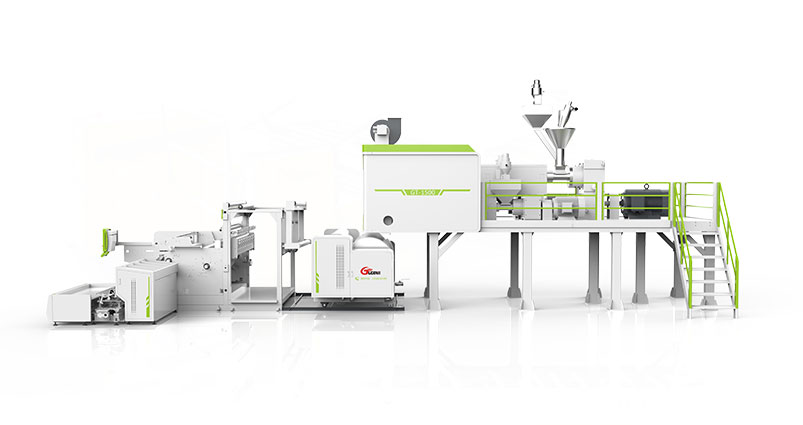
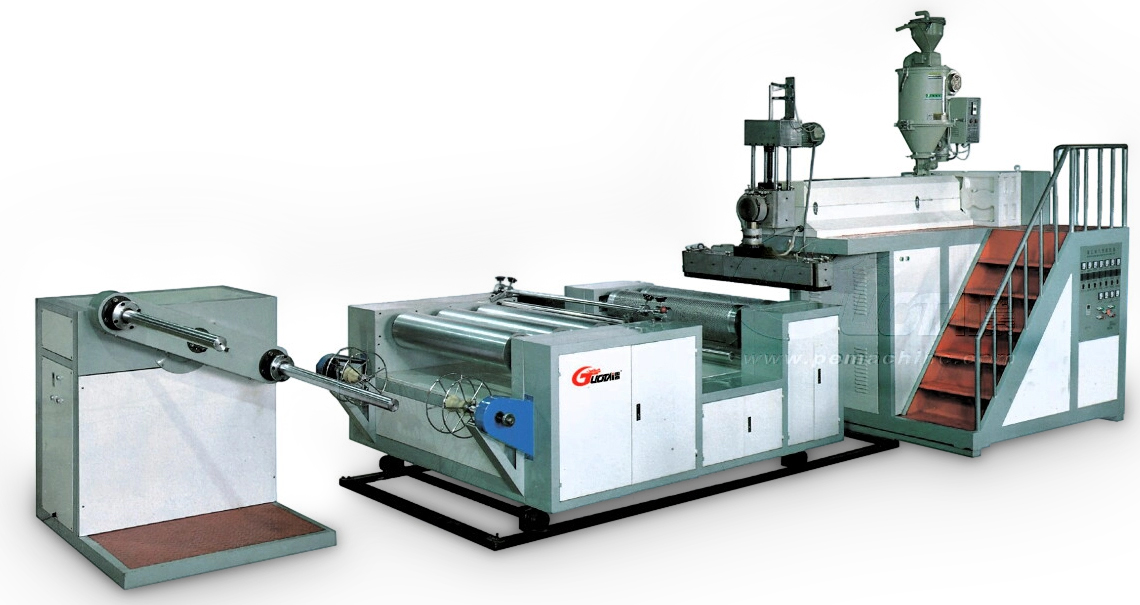
PE Bubble Film Machine
2-Layer High Speed Bubble Film Machine
Guotai’s PE Bubble Film Machine is engineered for high-performance polyethylene film production, integrating multi-layer co-extrusion technology to deliver 1100 meters per hour output. Designed specifically for standard and composite bubble film, this CE-certified extruder reduces energy consumption by 30% compared to conventional models, while ensuring precise bubble formation (6-30mm diameter) for packaging applications in food, electronics, and logistics industries.

upload/1c/202503/index-10-0906.jpg
Stretch Film Roll Machine
Guotai Machinery introduces the GT-1500 Triple Extrusion Polyethylene Stretch Film and Cling Film Manufacturing Machine, a testament to our innovation and commitment to quality. This state-of-the-art machine, certified by CE, is designed to produce both stretch film and...
Plastic Bubble film Machine
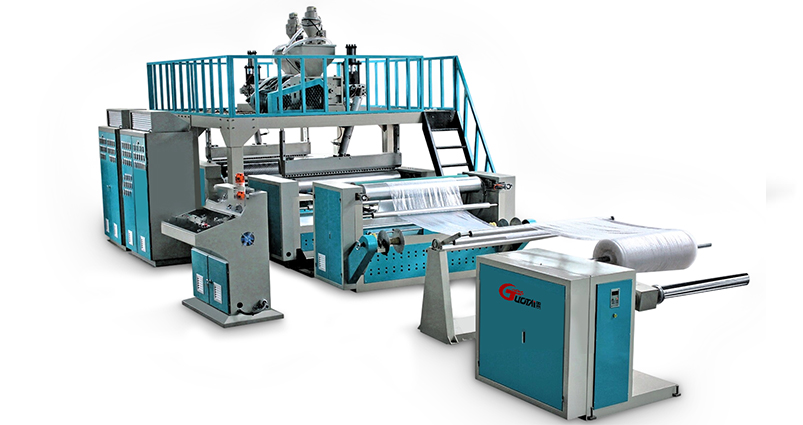
3-5 Layer Laminated Bubble Film Machine
Guotai’s Plastic Bubble Film Machine series (GT-1500 to GT-3000) is engineered for versatile polyethylene film manufacturing, supporting LDPE/LLDPE raw materials and producing 0.03-0.2mm thick bubble film with widths up to 3000mm. Equipped with high-precision composite rollers and intelligent temperature control, this machine reduces material waste by 15% while ensuring continuous 24-hour operation—ideal for packaging applications in e-commerce, electronics, and furniture industries. Its environmentally friendly process (zero harmful emissions) complies with EU environmental standards, balancing high productivity (450kg/h max output) with sustainable production.

GET A QUOTE

Talk to Our Expert

Talk to Our Expert.
Captcha Code
GET IN TOUCH NOW
Captcha Code
We value your privacy
We use cookies to provide you with a better online experience, analyse and measure website usage, and assist in our marketing efforts.
Accept All