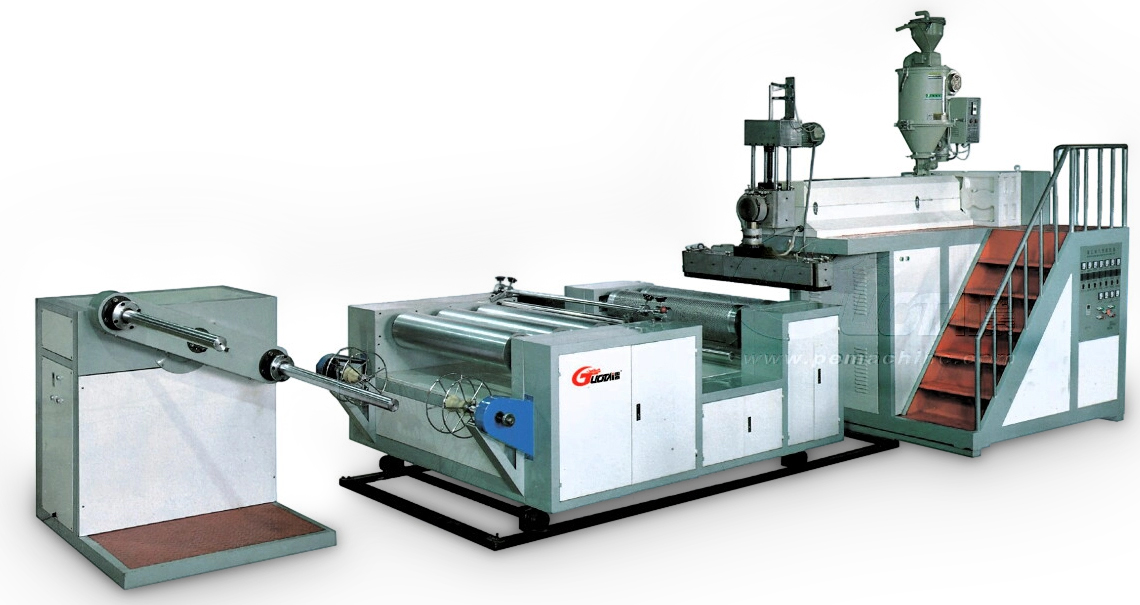
Bag Making Machine Splicing Function
How Automatic Film Connecting Improves Production Efficiency
In modern plastic bag manufacturing, production efficiency and machine stability are extremely important. During high-speed production, changing film rolls can often cause machine downtime, material waste, and production delays.
To solve this problem, many advanced bag making machines are equipped with a splicing function, also known as a film connecting function. This feature helps manufacturers continue production smoothly while reducing downtime and improving overall efficiency.

What Is the Splicing Function on a Bag Making Machine?
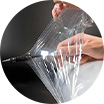
The splicing function is designed to connect a new plastic film roll to the remaining film material when the current roll is almost finished.
When the machine detects that material is running out, it automatically stops. The operator can then place the new film over the old film, align the printing marks or bag patterns, and press the splicing area firmly to complete the connection.
After the connection is completed, the machine can continue running normally without complicated adjustments.
This process helps reduce production interruptions and improves production continuity.
Why Is the Splicing Function Important?
In traditional production lines without a splicing system, replacing film rolls usually requires longer downtime and manual adjustments. This can lead to:
-
Lower production efficiency
-
Increased material waste
-
Misaligned printing patterns
-
More labor time
-
Higher production costs
With the splicing function, factories can complete film replacement more quickly and maintain stable machine operation.
Working Process of the Splicing Function
Step 1: Machine Stops Automatically
When the machine detects low material, it automatically pauses production to prepare for film replacement.
Step 2: Place the New Film
The operator places the new plastic film over the remaining film material.
Step 3: Align the Printing Position
The film pattern or printed color mark is carefully aligned to maintain production accuracy.
Step 4: Press and Connect
After alignment, the operator presses the connection area firmly to complete the film splicing process.
Step 5: Resume Production
Once the film is connected successfully, the machine continues production automatically.
Advantages of the Splicing Function
-
Reduced downtime
-
Improved production continuity
-
Better printing alignment
-
Lower material waste
-
Easier machine operation
Applications in Plastic Bag Production
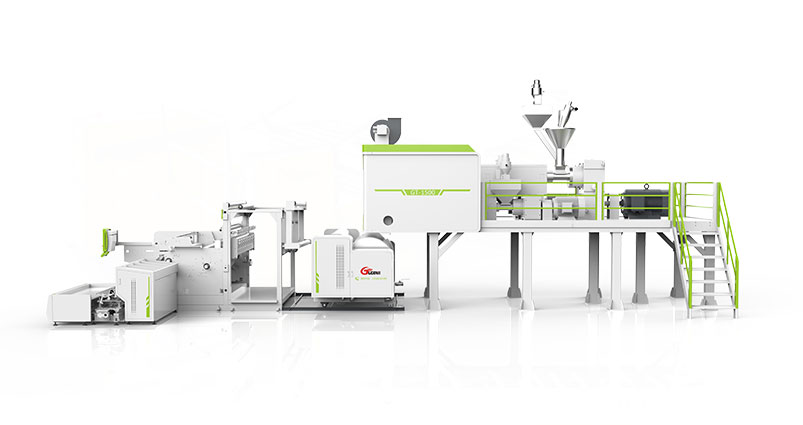
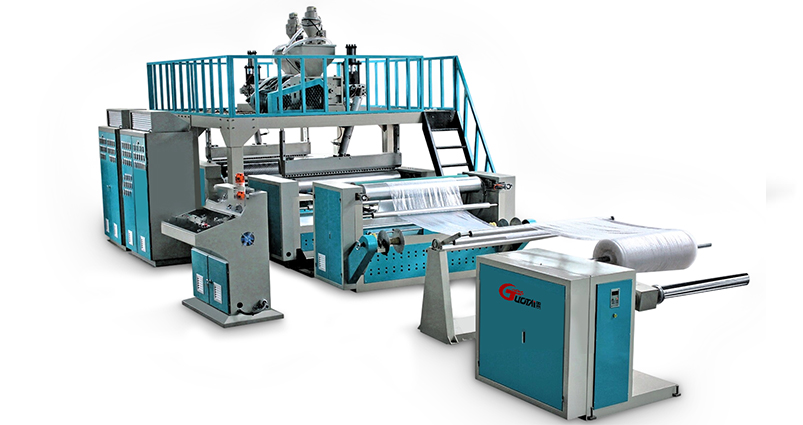
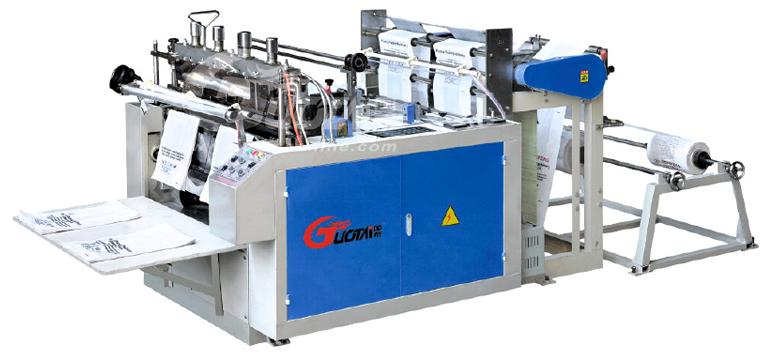
The splicing function is widely used in various bag making machines, including:
-
T-shirt bag making machines
-
Shopping bag making machines
-
Garbage bag making machines
-
Courier bag machines
-
Flat bag making machines
How the Splicing Function Helps Manufacturers
A reliable splicing function can help manufacturers:
-
Increase daily production capacity
-
Reduce labor costs
-
Improve machine efficiency
-
Reduce defective bags
-
Improve delivery speed
Choosing a Bag Making Machine with a Reliable Splicing System
When selecting a bag making machine, manufacturers should pay attention to the quality and design of the splicing function.
Important considerations include:
-
Easy operation
-
Stable film feeding
-
Accurate alignment system
-
Strong machine structure
-
Fast production recovery
Conclusion
The splicing function is an important feature in modern automatic bag making machines. By helping manufacturers connect new film rolls quickly and accurately, this function reduces downtime, improves production efficiency, and maintains stable product quality.
For manufacturers looking to improve productivity and reduce production interruptions, choosing a bag making machine with a reliable splicing function can provide significant long-term value.
For You!